

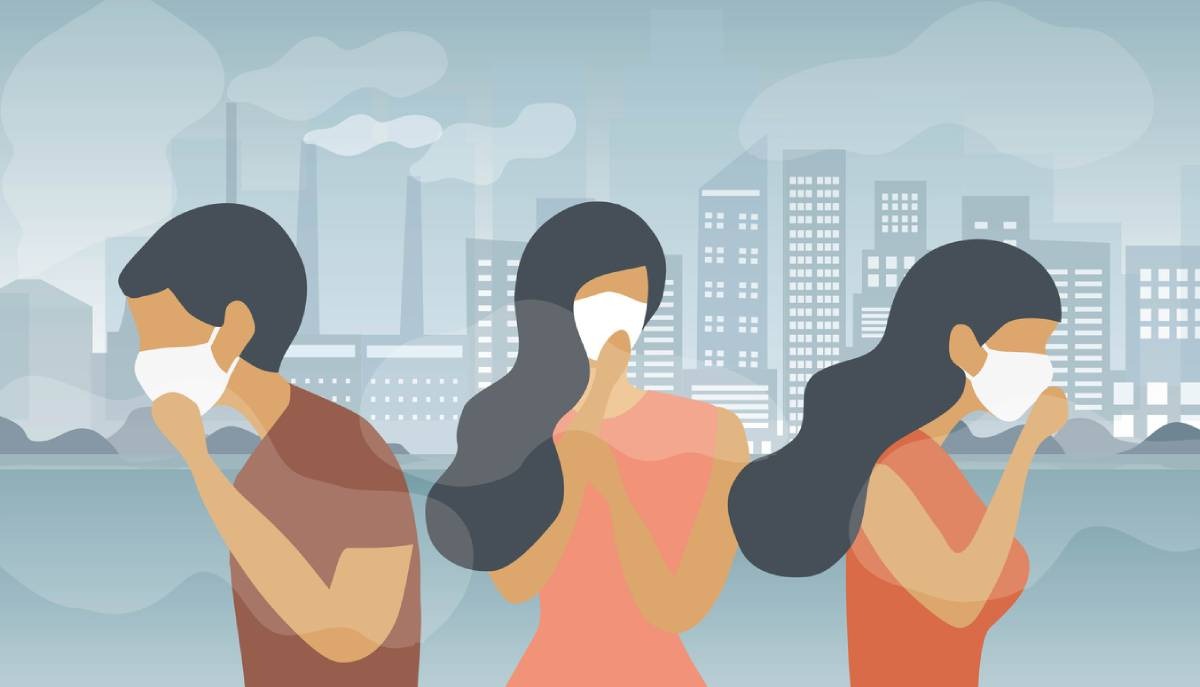
Air pollution is a growing global health crisis, with particulate matter (PM2.5 and PM10) being some of the most dangerous airborne pollutants. These fine particles, often invisible to the naked eye, can penetrate deep into the respiratory system, leading to severe health issues ranging from asthma and lung disease to cardiovascular complications and even neurological disorders.
Understanding what PM2.5 and PM10 are, their sources, and their health risks is crucial to making informed decisions about air quality and personal protection.
What is Particulate Matter (PM)?
Particulate matter (PM) refers to a mixture of tiny solid particles and liquid droplets suspended in the air. These pollutants come from natural sources like dust and wildfires, as well as human activities such as vehicle emissions, industrial pollution, and construction dust.
Difference Between PM2.5 & PM10
-
PM2.5 (Fine Particulate Matter) – Particles smaller than 2.5 micrometers in diameter. They can penetrate deep into the lungs and enter the bloodstream, posing serious health risks.
-
PM10 (Coarse Particulate Matter) – Particles smaller than 10 micrometers in diameter. They primarily affect the upper respiratory tract, causing irritation and breathing difficulties.

Major Sources of PM2.5 & PM10
-
Traffic emissions (vehicles, diesel engines)
-
Industrial pollution (factories, power plants)
-
Construction dust (cement, road dust)
-
Burning of fossil fuels (coal, biomass, crop burning)
-
Wildfires and household cooking smoke

Health Implications of PM2.5 & PM10 Exposure
Shocking Statistics on Particulate Matter & Health
-
According to the World Health Organization (WHO), air pollution is responsible for 7 million premature deaths annually, with PM2.5 being a major contributor.
-
A study published in The Lancet found that India accounts for over 1.67 million air pollution-related deaths per year, making it one of the most affected countries.
-
The Global Burden of Disease Study reported that long-term exposure to PM2.5 increases the risk of lung cancer by 36% and heart disease by 29%.
-
Research shows that children exposed to high PM levels experience a 15% reduction in lung function growth, increasing their risk of chronic respiratory conditions later in life.
Short-Term Effects:
-
Irritated eyes, nose, and throat with elevated hair loss
-
Coughing, sneezing, and difficulty breathing
-
Increased risk of asthma attacks
-
Shortness of breath and lung irritation
Long-Term Effects:
-
Chronic lung diseases such as COPD and lung cancer
-
Increased risk of heart disease, stroke, and high blood pressure, diabetes
-
Neurological disorders and cognitive decline
-
Higher risk of pregnancy complications and developmental issues in children

How to Reduce Exposure to PM2.5 & PM10
-
Monitor AQI levels and limit outdoor activities during high pollution days.
-
Wear masks (N95/N99) to filter out harmful particles.
-
Improve indoor air quality by reducing dust, smoke, and chemical pollutants.
-
Use air purification methods to remove fine particles from the air.
Protecting Yourself from Particulate Matter
PM2.5 and PM10 are among the most dangerous pollutants, impacting millions worldwide. By understanding their sources and health risks, individuals can take proactive steps to reduce exposure and improve air quality, ensuring better respiratory health and overall well-being.
✅ Stay informed, monitor air quality, and protect yourself from the invisible dangers of air pollution!
Meet Pebble, your personal air guardian! Small enough to wear around your neck, but mighty enough to shield you from the pollution around you.


Share:
What is AQI? A Simple Guide to Understanding Air Quality Levels
Can Air Pollution Cause Hair Loss? The Shocking Truth
1 comment
I was diagnosed with COPD (Chronic Obstructive Pulmonary Disease) four years ago. For over two years, I relied on inhalers and several other medications, but unfortunately, the symptoms kept getting worse. The shortness of breath became more severe, and my energy and stamina started to decline quickly. Last year, out of desperation and hope, I decided to try a herbal treatment program from NaturePath Herbal Clinic.Honestly, I was skeptical at first, but within a few months of starting the treatment, I began to notice real changes. My breathing became easier, the coughing and wheezing subsided, and I felt stronger and more active. Incredibly, I also regained much of my energy and confidence. It’s been a life-changing experience I feel more like myself again, better than I’ve felt in years.If you or a loved one is struggling with COPD, I truly recommend looking into their natural approach. You can visit their website at www.naturepathherbalclinic.com
or contact them at info@naturepathherbalclinic.com