


In a city where vada pav isn’t just food but a cultural icon, a surprising new policy could change the way your favorite snack tastes. For over 150 years, Mumbai’s pav has been baked in traditional wood-fired ovens. But now, the Brihanmumbai Municipal Corporation (BMC) is asking nearly 650 bakeries to switch to cleaner alternatives like electricity, LPG, and CNG in a bold move to combat the city’s worsening air pollution.
Why Is Mumbai Targeting Bakeries?
Wood-fired ovens are part of Mumbai’s food heritage, giving pav that unique, smoky flavor. However, these ovens also emit particulate matter (PM2.5 and PM10) and volatile organic compounds (VOCs)-key pollutants that worsen indoor and outdoor air quality.
While bakeries only contribute 3.5% of the city’s total air pollution, they’re seen as “low-hanging fruit”-easier to regulate than large-scale industries or traffic emissions. According to experts, reducing emissions in densely populated areas, such as those around bakeries, can have a significant positive impact on public health.

The Impact on Mumbai’s Pav and Small Businesses
🍞 Cost Surge on the Horizon
Switching from wood-fired to electric or gas ovens isn’t cheap. Bakery owners estimate the cost of new setups between ₹11.5 lakh to ₹16.5 lakh, a steep price for many family-run bakeries operating on razor-thin margins. This cost could trickle down to consumers, potentially doubling the price of pav.
👷 Job Losses May Loom
Wood-fired baking is labor-intensive. As bakeries shift to automation-friendly electric ovens, fewer workers will be needed, putting traditional jobs at risk.
😟 Will the Taste Change?
Many bakers argue that the flavor of pav baked in electric or gas ovens just doesn’t compare to wood-fired bread. Taste could be the unexpected casualty of this eco-friendly transition.

Are Bakeries Really Major Polluters?
Not exactly. According to System of Air Quality and Weather Forecasting And Research (SAFAR), key air pollutant sources are:
-
Vehicular Emissions: Approximately 30.5% of PM2.5 emissions, as per SAFAR's 2019–20 analysis
-
Industrial and Power Sector: Contribute around 33% to the city's particulate matter emissions.
-
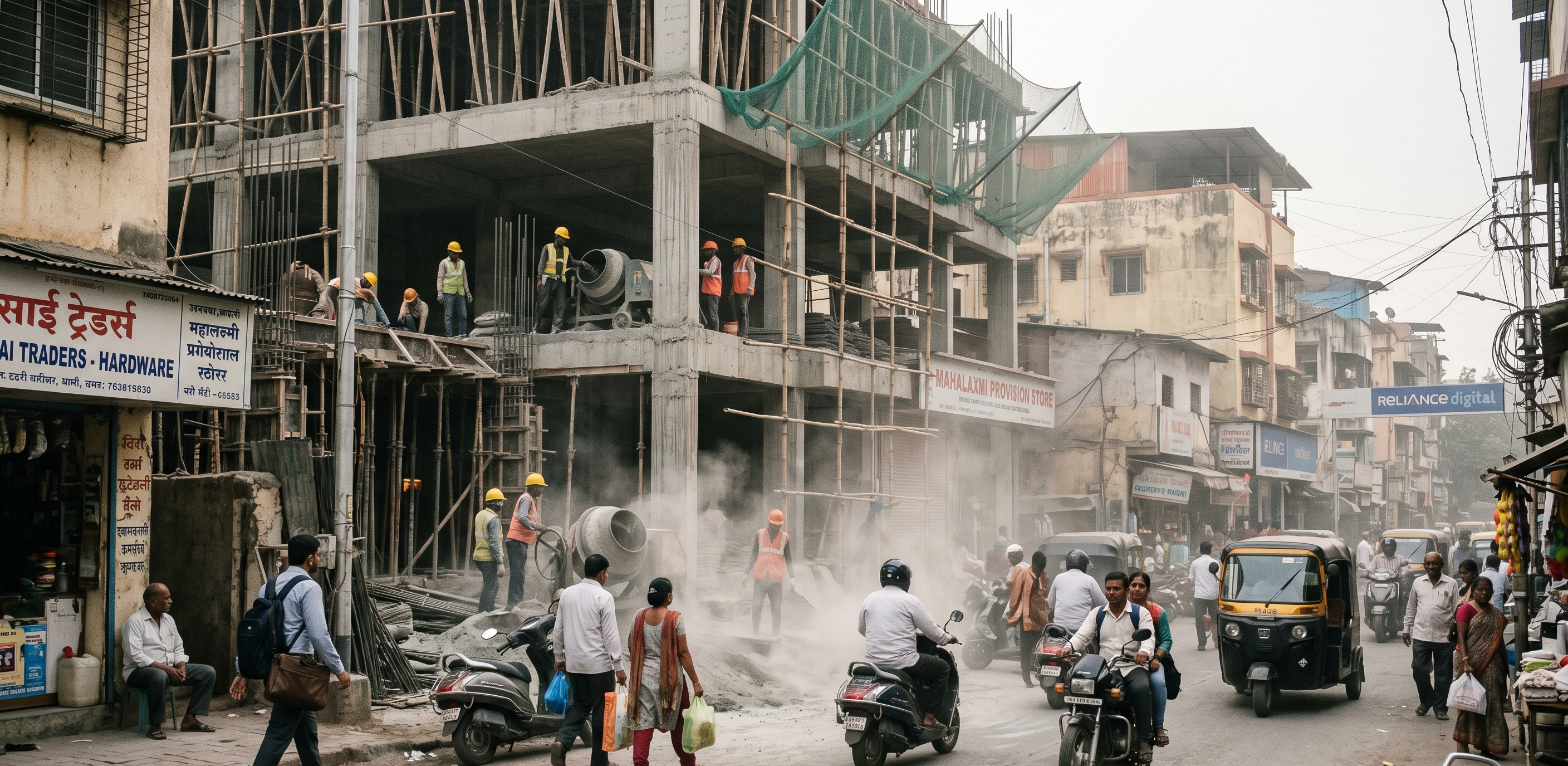
Construction Activities: Account for about 8% of the pollution load.
-
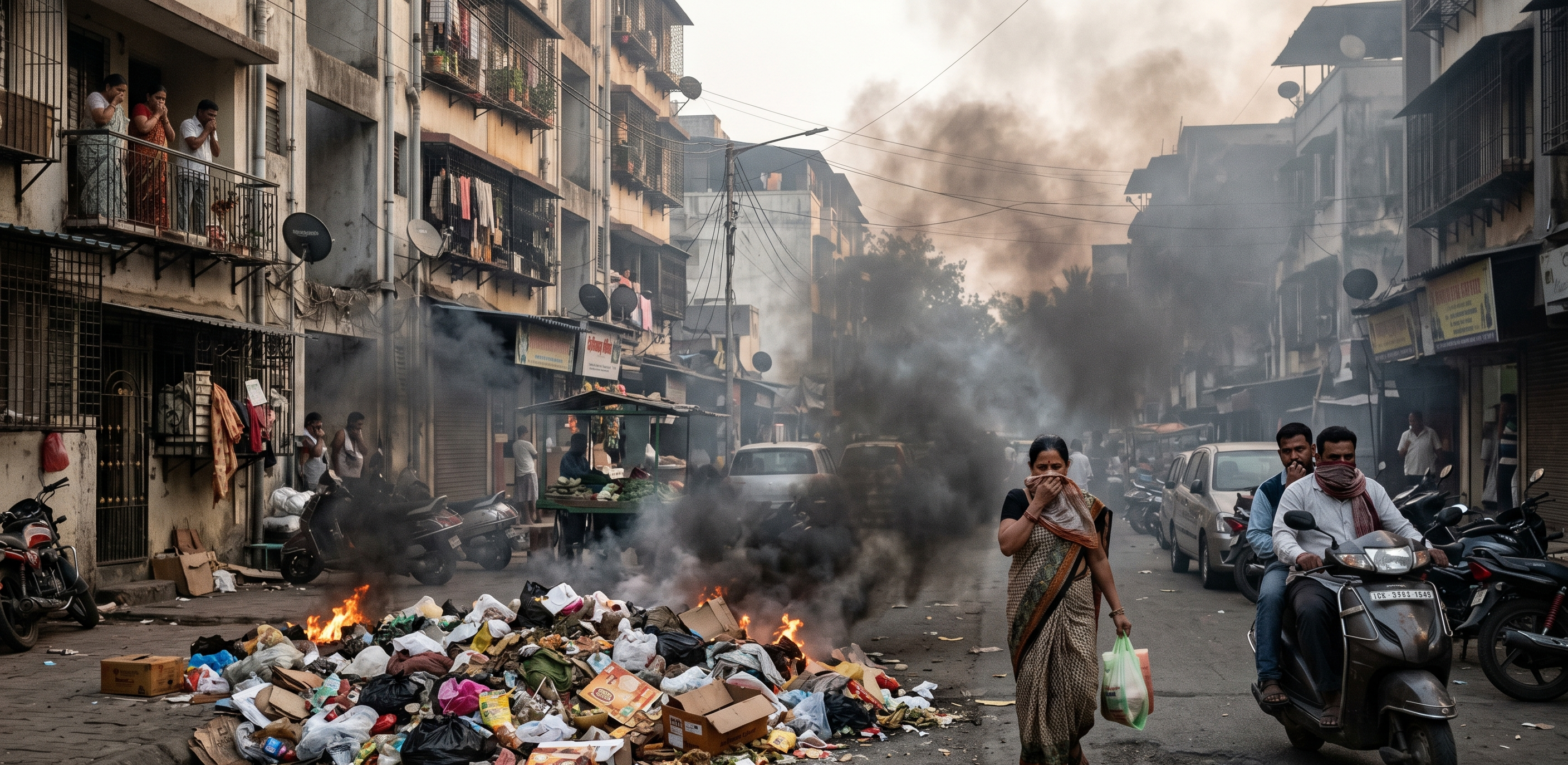
Garbage Burning: Adds approximately 4% to the city's air pollution.
-
Bakeries: Contribute around 3.5% to Mumbai's air pollution.
In contrast, emissions from bakeries are a modest 3.5%. But their presence in crowded neighborhoods makes their emissions more directly impactful on local respiratory health.
Why This Move Still Makes Sense
-
Quick Wins for Cleaner Air: Unlike large industries or infrastructure changes, updating bakery ovens can be implemented swiftly.
-
Healthier Neighborhoods: Reducing emissions in densely populated residential areas can directly improve lung health and reduce asthma cases.
-
Environmental Compliance: The move aligns with national efforts under India’s National Clean Air Programme (NCAP), which aims to reduce PM levels by 20–30%.

The Road Ahead: Support Is Key
If this policy is to work, government incentives will be crucial.
-
Subsidies and financial assistance can help small bakeries absorb the cost of transitioning.
-
Technical training and maintenance support can ensure smooth operation of modern ovens.
With the right balance of regulation and support, Mumbai can take a step toward cleaner air-without losing the soul of its beloved vada pav.
Smarter baking could mean cleaner air-without giving up the taste of Mumbai.
Share:
The Hidden Truth: How Scented Candles Affect Your Indoor Air Quality
Protection to Style Statement: Atovio Pebble Walks the Ramp at Times Fashion Week