


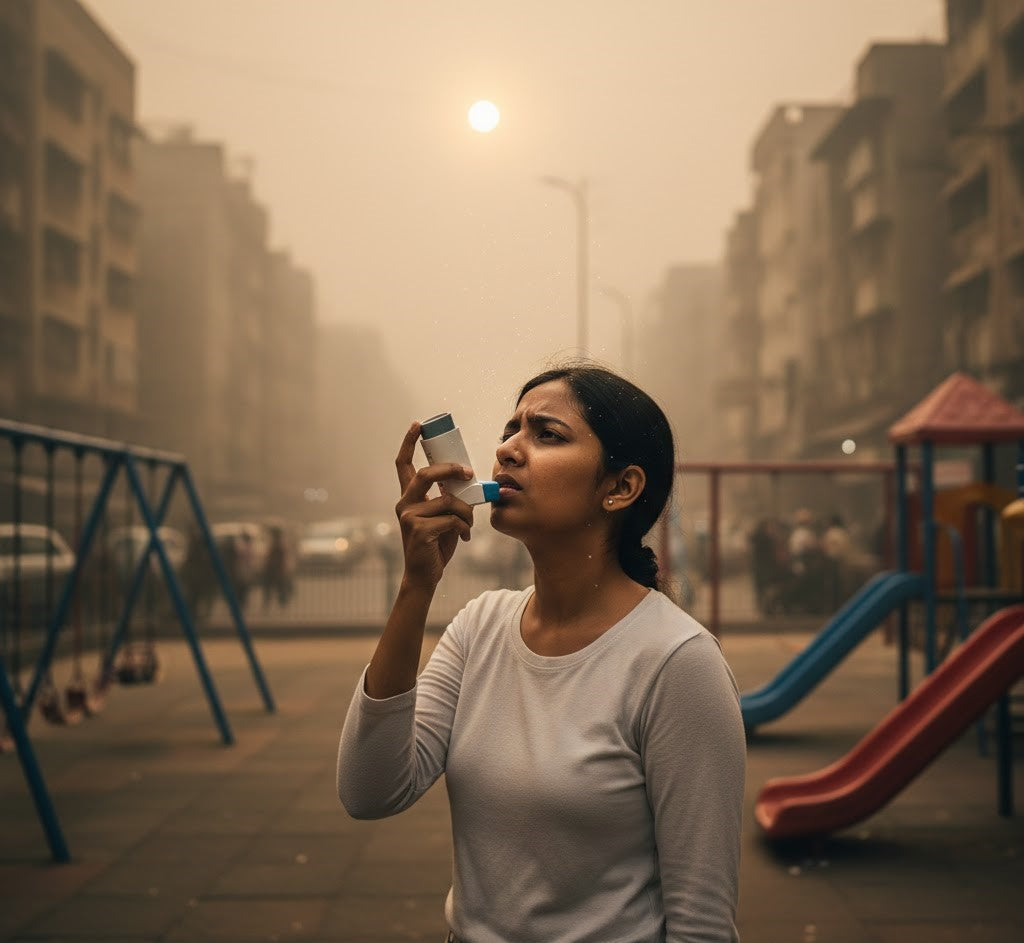
An article was read last month that made me stop and think about this whole situation. Doctors studied kids in Delhi, Mumbai and Bangalore and found something really concerning and asthma cases are rising rapidly in cities with poor air quality.
What struck me most was this realization and we are treating polluted air as if it is normal. As if it is simply part of urban living. But children are developing serious respiratory conditions because of it.
So when someone asks can air pollution cause asthma the answer has become increasingly clear. It is already happening across Indian cities right now.
Because here is what many people prefer not to acknowledge and air pollution diseases are increasing dramatically in Indian cities and asthma leads this concerning trend. The data presents a stark picture. Asthma cases in urban India have increased 30% over the past decade. This is not coincidence or random variation. This represents pollution systematically damaging developing lungs.
So can air pollution actually cause asthma? Not merely trigger attacks in people who already have the condition but actually cause asthma development in previously healthy individuals?
Medical research provides clear evidence and yes it can. And the scientific proof supporting this conclusion continues to strengthen.
TL;DR
Air pollution causes asthma. Not just triggers attacks in people who already have it. Actually causes asthma development in previously healthy individuals.
AIIMS Delhi tracked children across high and low pollution zones. The findings:
-
High pollution areas: 2x asthma rates
-
Urban India: 30% increase over one decade
-
PM2.5 particles penetrate deep into lung tissue. Permanent airway inflammation.
-
Kids under 5 highest risk: Developing lungs plus faster breathing equals more pollutants per body weight
This is not correlation. This is documented causation from AIIMS and WHO medical research. Not theory or maybe science. Lung damage happening right now across Delhi, Mumbai, Bangalore.
Want to know how to protect against it? Keep reading.
Understanding the Air Pollution and Asthma Connection
Look we need to clear something up first. There is causing asthma and then there is triggering attacks in people who already deal with it. Two different things.
Breathing in polluted air can actually give you asthma when you never had it before. Sounds extreme but it happens. A lot actually. Especially with kids. Their lungs are still forming and remain vulnerable. Constant pollution exposure during these critical development years can permanently alter airway function.
This is not some maybe possibly theory. It is documented medical reality.
Pollution also triggers attacks in individuals who already have asthma. Therefore it inflicts double damage by creating new cases while simultaneously worsening existing conditions.
What asthma actually represents is chronic inflammatory disease of the airways. Breathing passages become inflamed, swell, produce excess mucus and suddenly breathing transforms from an automatic process to a conscious struggle.
How pollutants trigger inflammation operates through concerning mechanisms. PM2.5 particles are small enough to penetrate deep into lung tissue. Once there they cause oxidative stress and trigger inflammatory responses. The immune system essentially overreacts does it not. Over extended periods this constant inflammation can permanently alter airway structure.
What Scientific Research Reveals
The evidence linking air pollution to asthma development is no longer subject to debate. It represents established medical fact.
WHO's position is unequivocal and long term exposure to air pollution significantly increases asthma risk especially in children and adolescents.
Studies from Indian cities present particularly damning evidence. AIIMS Delhi research tracked children in high pollution areas versus low pollution areas. The high pollution group demonstrated double the asthma incidence rate. Double.
A Kanpur study found that children living near major roads experienced significantly higher asthma rates than those living farther away. Traffic pollution specifically created this elevated risk.
So which pollutants are the worst offenders?
PM2.5 and PM10 get deep into your lungs and we are talking tissue level deep. Nitrogen dioxide or NO2 comes straight from car exhaust and inflames your airways like clockwork. Ozone which is O3 forms when sunlight hits other pollutants then proceeds to irritate everything. And sulfur dioxide? Industrial emissions pump this out triggering your airways to suddenly constrict.
Here is the thing about the dose response relationship and it is not like there is a magic safe line you cross. More pollution equals more risk. Simple math terrible consequences. This is not binary classification of safe versus unsafe. It is a gradient where every pollution increase elevates risk proportionally.
How Air Pollution Triggers Asthma Attacks
Even when asthma remains well controlled air pollution can precipitate emergency situations.
The biological mechanism operates straightforwardly. You inhale polluted air. Those PM2.5 particles reach already sensitive airways. Airways recognize them as foreign invaders which they are. Inflammatory response activates. Airways constrict. Mucus production increases. Breathing becomes difficult.
My nephew's attacks consistently spiked during stubble burning season. October through November predictably. His inhaler usage would triple because the AQI during those months in Delhi routinely exceeds 400 and his lungs simply could not manage that exposure level.
Common pollution related triggers in India include:
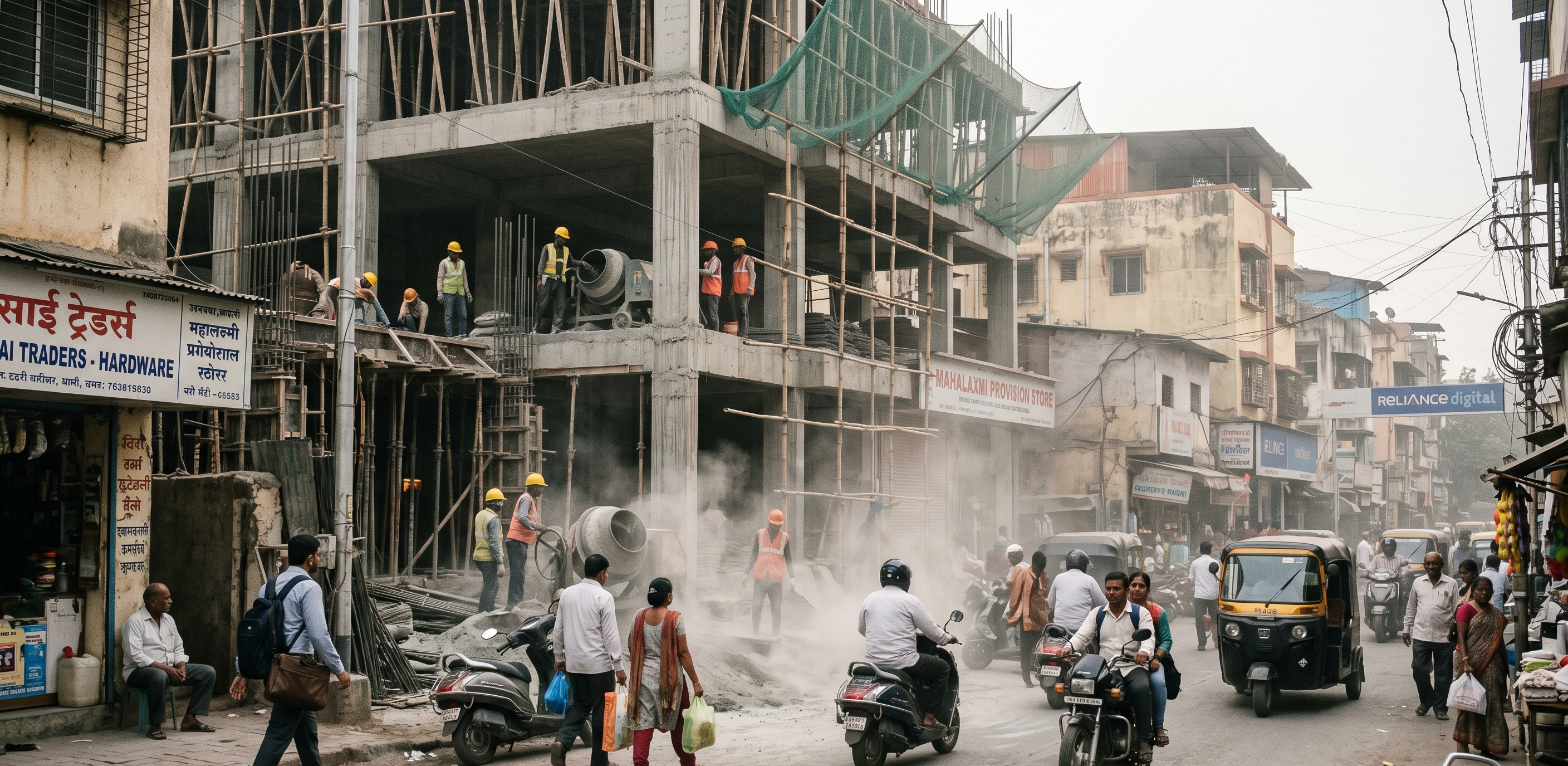
Vehicle exhaust during your commute hits hardest and those morning and evening traffic peaks are basically pollution concentration zones. Construction dust from that building going up next door? Yeah that triggers attacks too.
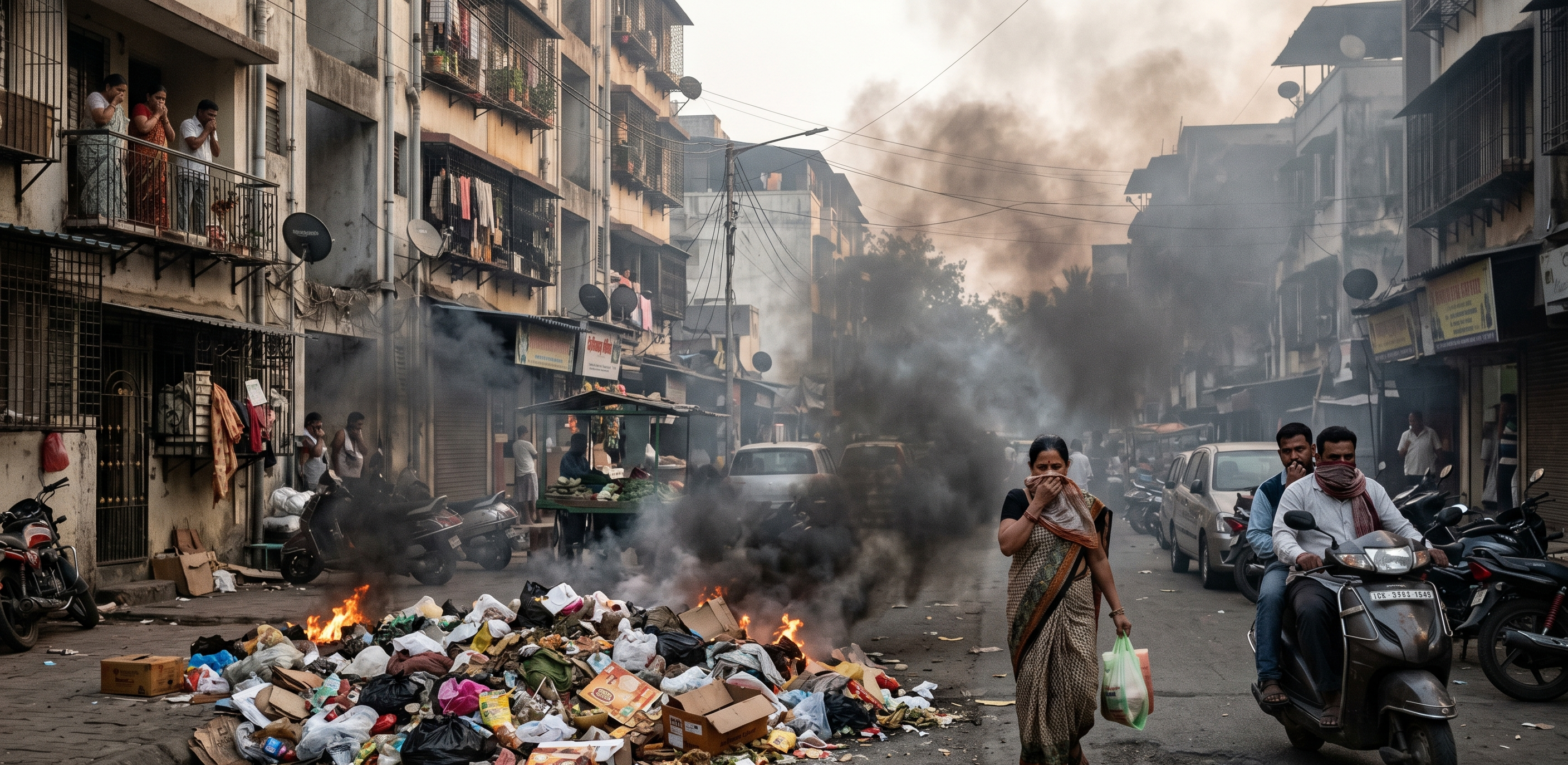
Then there is stubble burning season. October through November like clockwork every year. Entire North India transforms into a hazard zone. You can literally see it coming.
Diwali firecracker pollution stretches on for weeks not just one night. The air quality tanks and stays terrible long after the celebrations end.
And industrial emissions? That one is a wildcard depending on where your city is and what part of it you are stuck in.
The concerning aspect is that dangerous air quality is not always visible. This makes it particularly insidious. You step outside believing conditions are acceptable and suddenly breathing becomes labored.

Diseases Caused Due to Pollution Beyond Asthma
Asthma receives substantial attention but it is not the only respiratory disease pollution causes.
Air pollution related diseases include:
COPD or Chronic Obstructive Pulmonary Disease: Progressive lung disease mostly irreversible. Once you have it you have it for life.
Chronic bronchitis: Persistent airway inflammation constant cough that never really goes away.
Respiratory infections: Pollution weakens immune defenses and infections occur more frequently as a result.
Lung cancer: Long term exposure significantly increases risk. This is not just a smoker's disease anymore.
Cardiovascular diseases: Pollution does not damage only lungs but affects heart function as well.
Why asthma functions as the gateway disease is because it often develops first especially in children. It serves as the warning signal. If a city demonstrates high asthma rates other air pollution diseases typically follow.
Who is Most at Risk?
Not everyone faces equal asthma risk from pollution exposure right.
High risk groups:
Children under 5: Their lungs are actively developing. Pollution exposure during these critical years can permanently alter lung structure. They breathe faster than adults inhaling more pollutants per body weight they have. They are positioned closer to ground level where vehicle exhaust concentrates. They possess less developed immune systems to combat inflammatory responses. Children require specialized protection different from adults. Our comprehensive guide on protecting children from air pollution covers school commute safety, indoor protection, and teaching kids about air quality.
Elderly with weakened immunity: Age diminishes everything including lung capacity and immune response capability. Pollution impacts harder when the body cannot defend itself effectively.
People with family history: Genetic predisposition matters significantly. If parents have asthma pollution exposure makes development much more likely in children.
Those living near high traffic areas: Residing within 500 meters of a major road significantly increases risk. Vehicle exhaust remains concentrated constant and unavoidable at that proximity.
Outdoor workers and athletes: More time outside equals more exposure. Athletes breathe harder and faster pulling more pollutants deeper into lungs.
Smokers: Smoking plus pollution creates compounded lung damage. The combined effect substantially exceeds either factor alone.
Geographic risk in India is measurable. The NCR region which is Delhi, Noida, Gurgaon demonstrates some of the highest asthma rates. Industrial cities like Kanpur and Lucknow follow closely. High traffic metros like Mumbai and Bangalore are experiencing increasing rates.

Recognizing Air Pollution Induced Asthma Symptoms
Breathing in polluted air can cause these warning signs:
Early symptoms people commonly ignore include:
Persistent dry cough especially nighttime or early morning. Wheezing when breathing out. Chest tightness or pressure. Shortness of breath during normal activities. And symptoms worsening on high AQI days and this provides the significant clue actually.
My nephew's asthma began with merely a nighttime cough. We assumed it was a persistent cold. Three months later he required daily inhaler use.
When to consult a doctor immediately:
Symptoms persisting beyond 2 weeks. Difficulty breathing during daily activities. Frequent respiratory infections which is more than 4 annually. Family history of asthma combined with persistent respiratory symptoms. And emergency signs including blue lips, severe breathing difficulty or inability to speak full sentences.
Do not delay medical consultation. Early treatment prevents permanent lung damage.
Long Term Impact of Pollution Exposure
The 10 effects of air pollution on human health compound over extended periods.
For asthma specifically the long term damage stacks up:
Your lung function drops permanently. Even with treatment it does not fully bounce back. Some people end up needing daily inhalers for the rest of their lives and that is not temporary management that is permanent dependence.
Quality of life takes a hit too. Can not exercise freely. Constantly worrying about what might trigger an attack. Missing school or work becomes routine creating gaps in education and tanking productivity.
The economic burden? Inhalers, doctor visits, emergency room trips and it all adds up to lakhs over a lifetime. Severe asthma can actually shorten your lifespan. You can not participate fully in sports. Sleep gets disrupted by nighttime symptoms.
Then there is the mental health piece nobody talks about enough. Anxiety about whether you will be able to breathe. Fear of attacks happening in public. Social isolation because you are avoiding outdoor activities and gatherings whenever the air quality tanks.
The particularly concerning aspect and lung damage from childhood asthma caused by pollution may never fully reverse. Those children carry reduced lung capacity into adulthood.
Evidence Based Protection and Prevention Strategies
Can you actually prevent pollution from causing asthma? Or at least reduce the risk significantly?
Yes but it requires active consistent protection from air pollution.
Monitor AQI religiously: Check air quality before outdoor activities. If AQI exceeds 150 reconsider going outside especially with children. Set phone alerts for dangerous levels. Daily monitoring is part of broader urban survival strategies. Learn 12 science-backed ways to survive in polluted cities including timing, protection layers, and lifestyle modifications.
Limit outdoor exposure during high pollution: Not merely try to avoid but actually stay indoors when AQI spikes. This represents prevention not paranoia.
Personal air purification options help: Wearable air purifiers create cleaner breathing zones. After my nephew's diagnosis an Atovio Pebble was obtained for him. Does it cure asthma? No it does not. But does it reduce his trigger exposure during unavoidable outdoor time? Yes it does. Creates around 35 cubic feet of clean air around him. Filter free design means no maintenance complications which is important for children who will not remember filter changes. He wears it during school commute and we have observed fewer minor attacks.
Indoor air quality matters equally: Indoor Air Purifier sits on his study desk now reducing trigger exposure while completing homework. Because indoor air can be equally problematic as outdoor air.
N99 masks for extreme days: When AQI crosses 300 we add a mask over the wearable purifier. Layered protection for layered exposure.
Lifestyle modifications that demonstrate effectiveness:
Avoid exercise during peak pollution hours which is 7 to 10 AM and 6 to 9 PM. Breathing exercises like pranayama to strengthen lung capacity. Anti inflammatory diet including turmeric, ginger and omega 3 fatty acids. Stay hydrated because this helps thin mucus for easier clearance. Create allergen free bedroom because pollution triggers are problematic enough without adding dust mites.
Prevent Asthma Before It Starts
Clean breathing zone. Filter-free technology. Protection during every trigger moment.
Reduce Your RiskSpecial Considerations for Kids
Air pollution affects children more severely than adults.
Kids breathe way faster than adults which means they are pulling in more pollutants per kilogram of body weight. And their lungs are still developing which makes permanent damage way more likely. That school commute? Critical protection point. Most kids are traveling right during peak traffic pollution.
If your child has asthma:
Always and I mean always carry that rescue inhaler. Pregnant mothers should know that pollution exposure during pregnancy significantly increases childhood asthma risk by affecting fetal lung development. Teach them what early symptoms feel like so they can speak up. The school needs a documented emergency action plan. Wearable protection during commute and outdoor stuff is not optional. And regular pulmonologist checkups are non negotiable.
Sports and outdoor activities need management not elimination. Children require exercise. But they also need clean air while exercising. Check AQI before outdoor sports. Have indoor alternatives ready for poor days. Consider wearable protection during outdoor practice.
What Doctors Actually Recommend
Pulmonologists treating pollution induced asthma keep hammering the same point and you need both. Medical management plus environmental protection.
The medical side includes controller medications which is usually inhaled corticosteroids, rescue inhalers for when attacks hit, peak flow meter monitoring and regular checkups.
But here is what has changed recently and doctors are pushing environmental protection just as hard now. Because here is the reality and medication alone does not cut it when you are constantly re exposing yourself to the same triggers that caused the problem.

Action plan for poor AQI days:
Check AQI first thing in the morning. If it is above 150 limit outdoor time seriously. If you absolutely must go out use protection. Keep that rescue medication within arm's reach. Watch your symptoms like a hawk. And be ready to change plans if things start going south.
Yes air pollution can cause asthma especially in children and other vulnerable groups. The evidence is overwhelming and continues strengthening. Early protection from air pollution prevents development. Consistent protection manages existing cases. Multiple defense layers which is monitoring, limiting exposure, personal protection, medical management work better than any single approach alone. Asthma prevention is one component of comprehensive pollution defense. Explore our complete guide to protecting yourself from air pollution covering all 8 essential protection layers. Your lungs deserve active defense not passive hope that problems will not develop.
Your Lungs Can't Wait for Policy Changes
Medical treatment OR prevention? Smart choice: portable protection starting today.
Start Protecting Now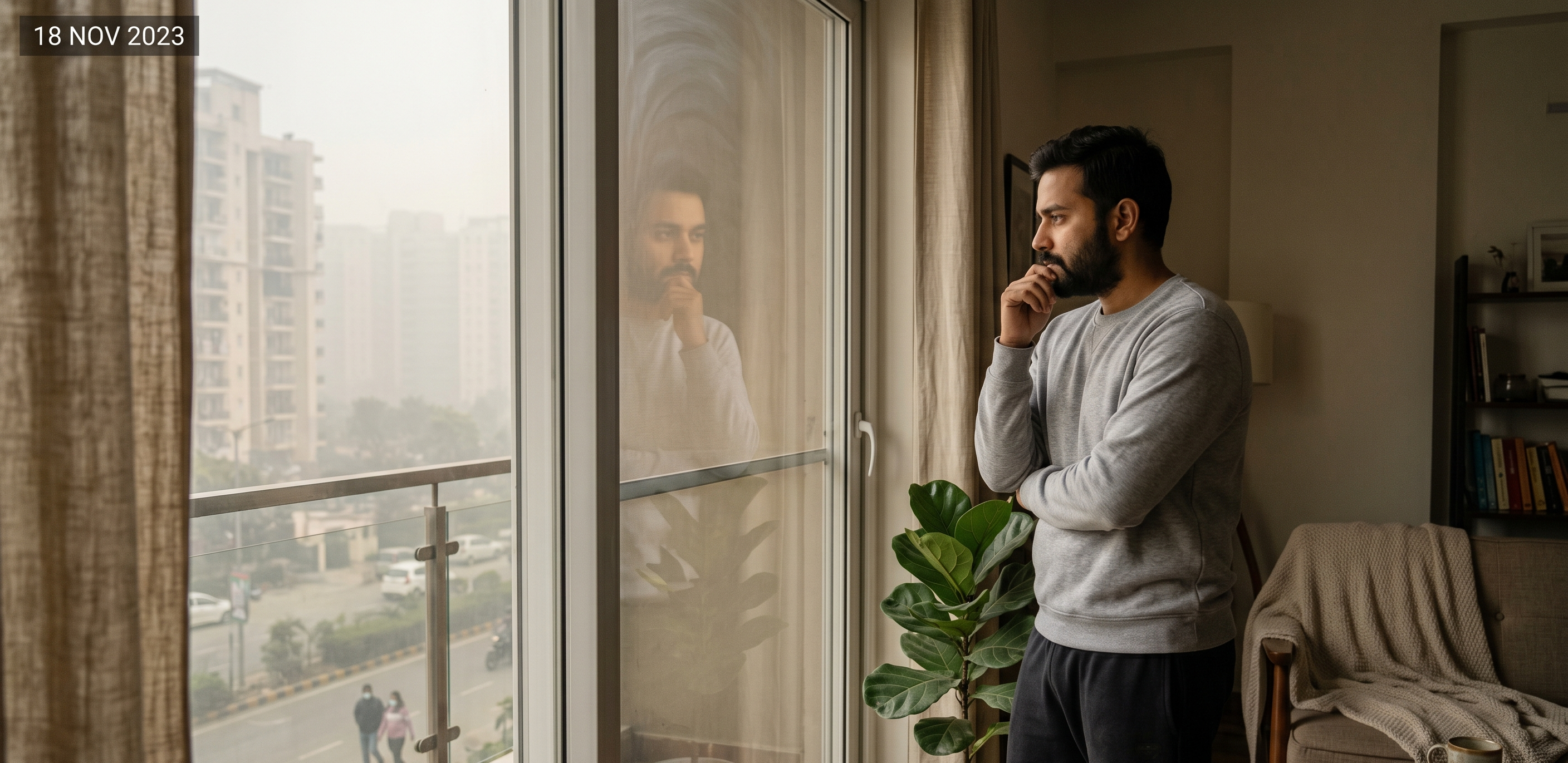
Share:
Indoor Air Pollution vs Outdoor: Which Damages Your Health More?
Commuter's Guide to Air Pollution Protection: Stay Safe During Your Daily Travel
2 comments
I was diagnosed with COPD (Chronic Obstructive Pulmonary Disease) four years ago. For over two years, I relied on inhalers and several other medications, but unfortunately, the symptoms kept getting worse. The shortness of breath became more severe, and my energy and stamina started to decline quickly. Last year, out of desperation and hope, I decided to try a herbal treatment program from NaturePath Herbal Clinic.Honestly, I was skeptical at first, but within a few months of starting the treatment, I began to notice real changes. My breathing became easier, the coughing and wheezing subsided, and I felt stronger and more active. Incredibly, I also regained much of my energy and confidence. It’s been a life-changing experience I feel more like myself again, better than I’ve felt in years.If you or a loved one is struggling with COPD, I truly recommend looking into their natural approach. You can visit their website at www.naturepathherbalclinic.com
or contact them at info@naturepathherbalclinic.com
f66xbz