


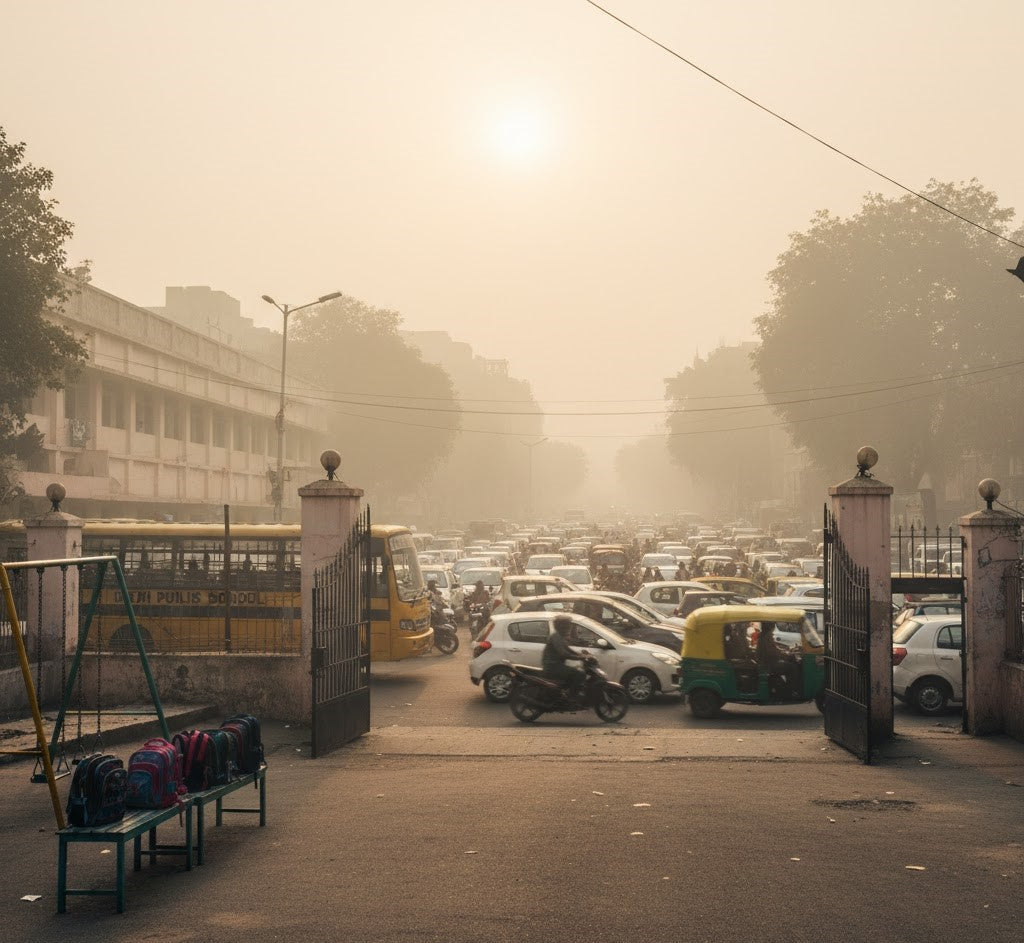
There is this thing that keeps happening in pediatric emergency rooms across Delhi, Mumbai and Bangalore. Kids coming in with severe breathing problems and their parents having no idea what triggered it.
The pattern is always similar. Morning cough that would not go away. Wheezing that got worse during school days. Breathing trouble that mysteriously improved on weekends or holidays.
Doctors started asking different questions. What time does school start? How does your child get there? Do they walk through traffic?
Turns out the 15 to 20 minute school commute during morning rush hour was exposing developing lungs to concentrated pollution. Peak traffic hours. Peak pollution exposure. Every single school day.
Because here is what many parents do not understand about air pollution for kids and it is not simply worse for children than adults. It is fundamentally different actually. Protection must begin before birth. Air pollution during pregnancy affects fetal lung development, doubling childhood asthma risk and impacting lifelong respiratory health. Children's bodies process pollutants in ways that can cause damage affecting them for their entire lives.
Air pollution effects on children are not abstract future concerns. They are occurring today during every school commute, every outdoor play session, every breath children take in Indian cities right now.
TL;DR
Children breathe 3x more air per kilogram of body weight than adults. Their lungs are still developing until age 18 to 20. Pollution exposure during these years becomes permanent damage.
The school commute problem:
-
8 AM start time = morning rush hour = worst air quality of entire day
-
15 to 20 minute exposure during peak traffic. Every single school day.
-
Breathing at ground level where vehicle exhaust concentrates
-
Lung capacity reduced permanently if damaged during development
Asthma cases in urban India jumped 30% in one decade. The lungs your kids develop now determine their respiratory health for life.
This is not overprotective parenting. This is documented medical reality across Delhi, Mumbai, Bangalore pediatric wards.
6 protection strategies below. Keep reading.
Why Children Are More Vulnerable to Air Pollution
Children are not simply small adults when it comes to pollution exposure. Their biology creates significantly higher vulnerability to respiratory damage.
Children breathe 40 to 60 times per minute compared to adults who breathe 12 to 20 times per minute. Children inhale three times more air per kilogram of body weight and this translates to three times more pollutants entering their systems.
Their immune systems are still developing and have not built the defensive mechanisms that adults possess. Every pollutant impacts them more severely because their bodies cannot mount adequate defensive responses.
Lung development continues until age 18 to 20. Pollution exposure during these critical growth years can permanently mess with how their lungs are built. This is not some theoretical possibility we are worried about. It is documented medical reality.
And get this kids are shorter right? Which means they are breathing air closer to ground level where vehicle exhaust sits heaviest. Their skin is thinner too absorbing more environmental toxins than adult skin does. Plus their metabolic rate runs faster processing pollutants more rapidly through their systems.
School commute timing makes everything worse. Most schools start around 8 AM which means kids are traveling during morning rush hour. Peak traffic. Peak pollution. Every single school day.
The Serious Health Risks Children Face from Air Pollution
Air pollution effects on children manifest immediately and compound over extended periods.
Short term effects include:
Frequent coughs and colds and more than six per year indicates concern. Increasing asthma attacks. Eye and throat irritation. Reduced stamina during sports. Headaches and fatigue. Missed school days.
Long term consequences present more serious concerns.
Stunted lung growth becomes permanent. Children exposed to high pollution during development years develop reduced lung capacity that never fully recovers. Ever.
Asthma development risk doubles in high pollution areas. Delhi children experience twice the asthma rate compared to children in cleaner cities. Twice the rate. The question isn't just whether pollution triggers asthma, but whether pollution actually causes asthma. Medical research provides definitive evidence about causation, not just correlation.
Cognitive impact has been documented. Research links air pollution exposure to lower IQ scores, reduced memory function and learning difficulties. PM2.5 particles can reach the brain through bloodstream and olfactory nerve pathways.
Growth and development delays have been documented in heavily polluted areas. Children literally grow at slower rates when constantly exposed to high pollution levels.
Air pollution diseases children can develop include:
Childhood asthma which is most common. Chronic bronchitis. Frequent respiratory infections. Allergic rhinitis. Early signs of COPD. Increased cardiovascular risk in adulthood.
How to Protect Child from Air Pollution: Essential Strategies
Understanding risks becomes meaningless without actionable protection strategies right.
Strategy 1: Personal Wearable Protection for School Commute
School commute represents when most children receive highest pollution exposure. School timing coincides perfectly with morning traffic peaks.
Lightweight wearable air purifiers designed for children provide effective solutions.
Options like Atovio Pebble weigh only 50 grams making them comfortable for children to wear. The device creates around 35 cubic feet of cleaner air around their breathing space.
The technology functions effectively in school buses, auto rickshaws and while walking. The 40+ hour battery life requires charging only once weekly. Filter free design eliminates maintenance concerns.
Available in child friendly colors makes children more willing to wear them consistently actually.
When to use: morning commute to school, evening return home, outdoor play time and family outings on high AQI days.
Strategy 2: Indoor Air Quality Control at Home
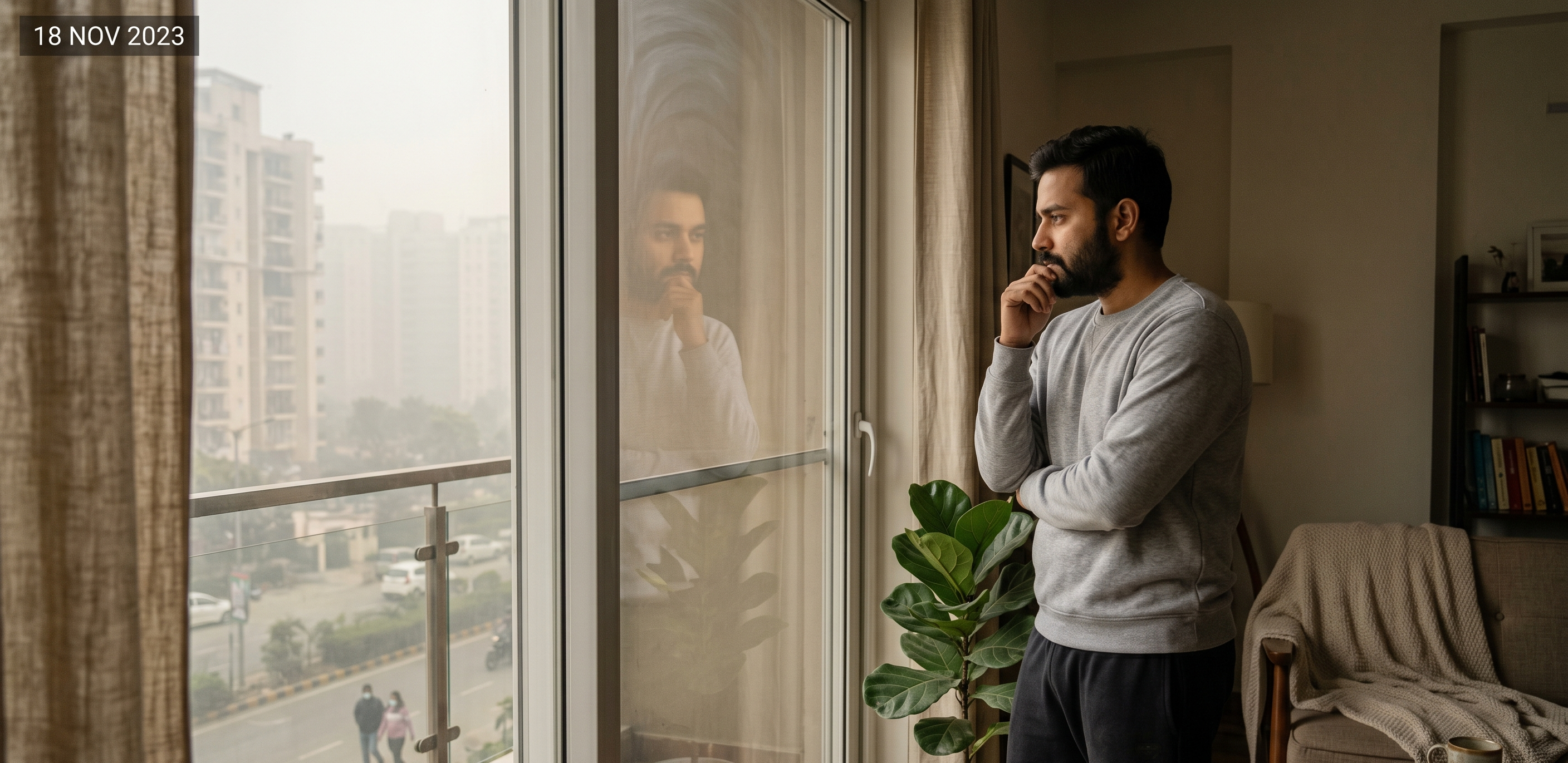
Children spend substantial time indoors making indoor air quality control equally important. Parents often focus solely on outdoor pollution. Understanding indoor vs outdoor air pollution risks reveals indoor air is frequently 2-5x more polluted, especially during cooking.
Children's bedroom protection:
Small air purifier on study desk or near bed. Compact desk purifiers work effectively for creating clean zones during homework and sleep hours. Keep windows closed during high AQI hours which is 7 to 10 AM and 6 to 9 PM. Air purifying plants like spider plants? They are nice to have. Supplementary benefits at best but every bit helps.
Kitchen protection:
Keep kids away from the cooking area when that gas stove is running. Seriously. Run the exhaust fan every single time no exceptions. If your child hangs around the kitchen while you are cooking because let us be honest they always do then consider portable protection for them.
Play area air quality:
Vacuum regularly with HEPA filters. Cut down on carpets if you can because they are dust magnets. And wet mop your floors instead of dry sweeping which just kicks dust back into the air they are breathing.

School Commute Shouldn't Damage Developing Lungs
Only 50 grams. Kid-friendly colors. Protection during peak traffic pollution hours.
Protect Your ChildStrategy 3: Smart Activity Timing Based on AQI
Check air pollution levels before planning anything outdoors. Make it a habit.
Download these AQI apps:
0 to 50: Safe for all activities 51 to 100: Sensitive kids should be careful 101 to 150: Limit how long they are outside 150+: Indoor play only period
Best times for outdoor activities? Late morning works well usually between 10 AM and 12 PM. Morning rush hour which is 7 to 10 AM and evening traffic which is 6 to 9 PM? Avoid those windows completely. Weekend mornings typically provide better air quality.
School sports: Discuss AQI monitoring with teachers. Request indoor alternatives on poor air quality days. Children wearing portable protection during outdoor sports provides benefits when AQI is moderate.
Strategy 4: Build Respiratory Defense from Within
Diet for pollution protection should include:
Vitamin C rich foods like amla, oranges, guava. Antioxidants from berries and green vegetables. Omega 3 fatty acids from walnuts and flaxseeds. Turmeric milk before bedtime.
Hydration is non negotiable. Kids need 6 to 8 glasses of water daily. It helps flush toxins out and keeps their respiratory tract from drying out.
Breathing exercises do not have to be boring. Turn them into games. Balloon blowing? Kids love it and it actually builds lung capacity. Simple pranayama can become part of playtime if you frame it right.
Strategy 5: Post Outdoor Hygiene Routine
After returning from school or outdoor play:
Shower or bath removes pollution particles from skin and hair. Face and hand washing immediately represents minimum standard. Change out of outdoor clothes promptly. Hair rinsing becomes important for extended outdoor periods.
Teach children why these practices matter. Establish them as habits rather than battles.
Strategy 6: School Coordination
Engage teachers and administration about air quality concerns. Request AQI displays in school. Advocate for indoor play areas for poor air quality days. Emergency action plans for children with asthma should be documented with school nurse.
Share protection from air pollution solutions with other parents. Group advocacy proves more effective.
How to Protect Child from Air Pollution: Why Early Action Matters
The first 18 years? That is your entire lung development window. Damage during this period can stick with you forever. Which is why early protection is not optional.
Lungs that do not develop right never catch up later. Your adult lung capacity gets permanently capped at whatever level pollution allowed it to reach. That means lifelong vulnerability to respiratory problems you could have avoided.
And look at the money side of things. Prevention is way cheaper than treatment. Childhood asthma treatment over the years? We are talking lakhs of rupees when you add up inhalers, doctor visits, emergency room trips, missed school days. It piles up fast.
But honestly the quality of life impact hits harder than the financial burden. Kids should be running around, playing sports, being outside without worrying whether they can breathe properly. Air pollution diseases steal those normal childhood experiences from them.

Special Situations Requiring Extra Protection
During Seasonal Pollution Spikes
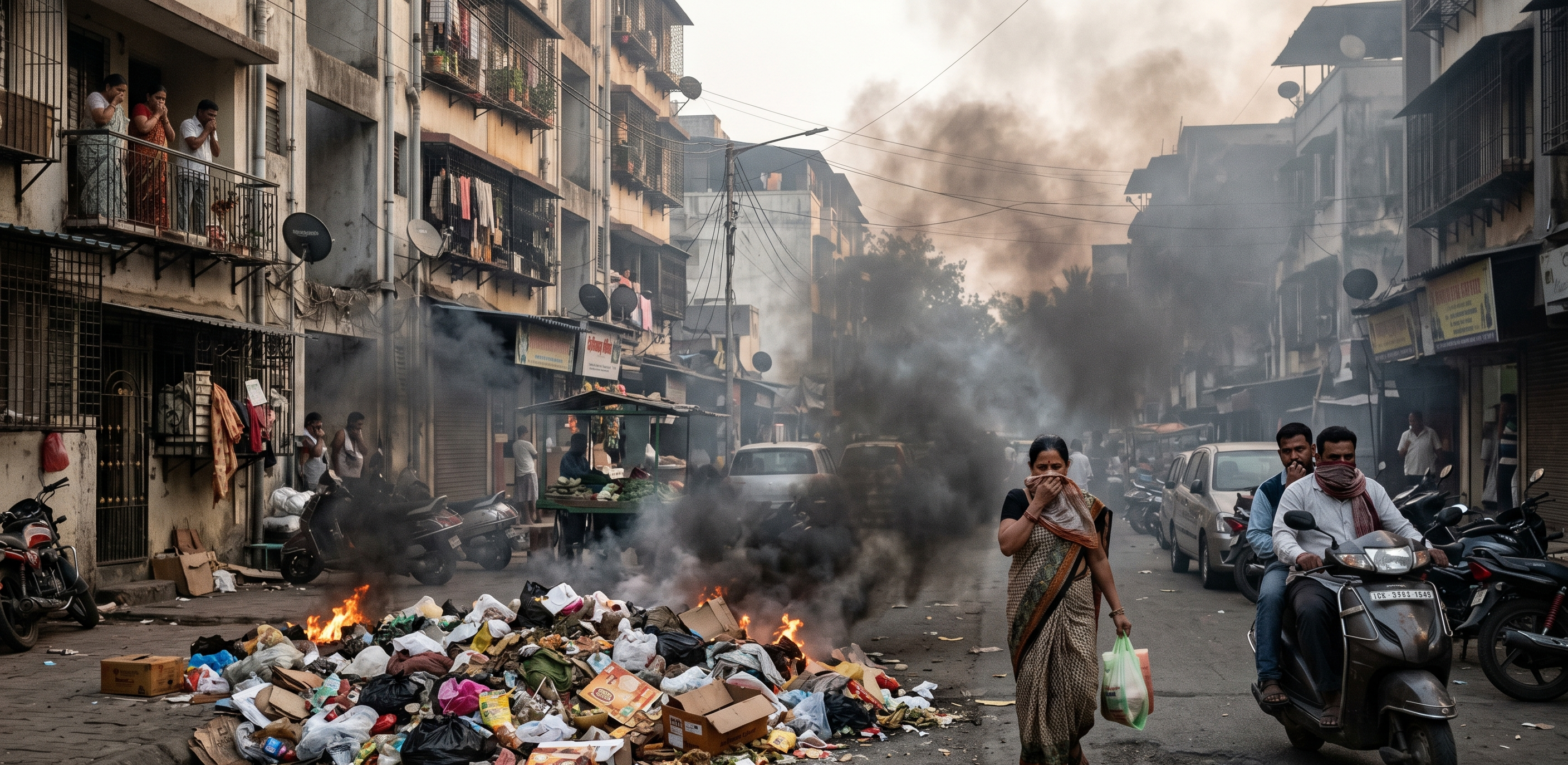
Stubble burning season which is October to November requires maximum precautions as AQI routinely crosses 400. Keep children indoors as much as possible. Double protection with wearable devices plus masks if outdoor exposure is unavoidable.
Diwali firecracker pollution presents unavoidable challenges. Stock N99 masks. Keep air purifiers running continuously.
Winter smog days necessitate immediate indoor shifts. When visibility drops and AQI spikes keep children home when possible.
For Children with Existing Conditions
Children with asthma need extra vigilance. Always carry rescue inhalers. Wear portable purifiers consistently. Schedule more frequent doctor monitoring.
Children with allergies face compounded triggers. Year round protection from air pollution becomes essential.
Children recovering from respiratory infections need protection during recovery. Their lungs remain vulnerable and re exposure can cause setbacks.
Different Age Groups Require Different Approaches
Infants (0 to 2 years): Remain mostly indoors. Use stationary purifiers near cribs. Minimize outdoor exposure during high pollution.
Toddlers (2 to 5 years): Learning phase for wearing portable protection. Make it engaging. Call it their clean air friend or something.
School children (6 to 12 years): Portable purifiers for commute become essential. Teach them to check AQI themselves.
Teenagers (13+): Personal responsibility develops. They need to understand why it matters. Ensure protection does not appear socially awkward.
Their Lungs Are Developing Right Now
Prevention costs less than lifetime asthma treatment. Zero filters. Maximum protection.
Invest in Their FutureTeaching Children About Air Quality
Make AQI checking a daily habit similar to checking weather conditions.
Provide age appropriate education. For younger children explain dirty air makes us cough. For older children explain PM2.5, lung development and health impacts in detail.
Gamify protection practices. Implement reward systems for wearing purifiers consistently. Star charts work for younger children. Screen time rewards appeal to teenagers.
Lead by example. If parents do not protect themselves children will not take precautions seriously right.
Empower children to make safe choices independently. Teach them to check AQI before outdoor play. This teaches decision making skills not mere obedience.

The Complete Child Protection System
Layer 1: Wearable purifier for school commute Layer 2: Stationary room purifier for study area and sleep Layer 3: N99 mask backup for extreme 300+ AQI days Layer 4: Dietary and lifestyle habits building internal defense Layer 5: AQI awareness and activity planning
This represents cost effective approach. One time investment versus ongoing medical costs. No filter replacements with filter free Atovio technology. Families can share multiple devices across children.
This investment costs far less than monthly doctor visits, inhalers, medications and emergency room trips.
Air pollution for kids is not something to address eventually. Every day without protection represents lung damage that might not reverse. Urban families need comprehensive approaches beyond child-specific strategies. Explore surviving air pollution in Indian cities for family-wide protection tactics. Multiple protection strategies work synergistically. School commute represents highest risk time requiring immediate action. Wearable technology solves protection challenges across all environments. Children's lungs are developing right now. Start protecting them today not tomorrow.
Share:
Air Pollution Effects on Human Health: Pregnancy Risks and Protection
Indoor Air Pollution vs Outdoor: Which Damages Your Health More?
2 comments
I was diagnosed with COPD (Chronic Obstructive Pulmonary Disease) four years ago. For over two years, I relied on inhalers and several other medications, but unfortunately, the symptoms kept getting worse. The shortness of breath became more severe, and my energy and stamina started to decline quickly. Last year, out of desperation and hope, I decided to try a herbal treatment program from NaturePath Herbal Clinic.Honestly, I was skeptical at first, but within a few months of starting the treatment, I began to notice real changes. My breathing became easier, the coughing and wheezing subsided, and I felt stronger and more active. Incredibly, I also regained much of my energy and confidence. It’s been a life-changing experience I feel more like myself again, better than I’ve felt in years.If you or a loved one is struggling with COPD, I truly recommend looking into their natural approach. You can visit their website at www.naturepathherbalclinic.com
or contact them at info@naturepathherbalclinic.com
o77i4d