

TL;DR
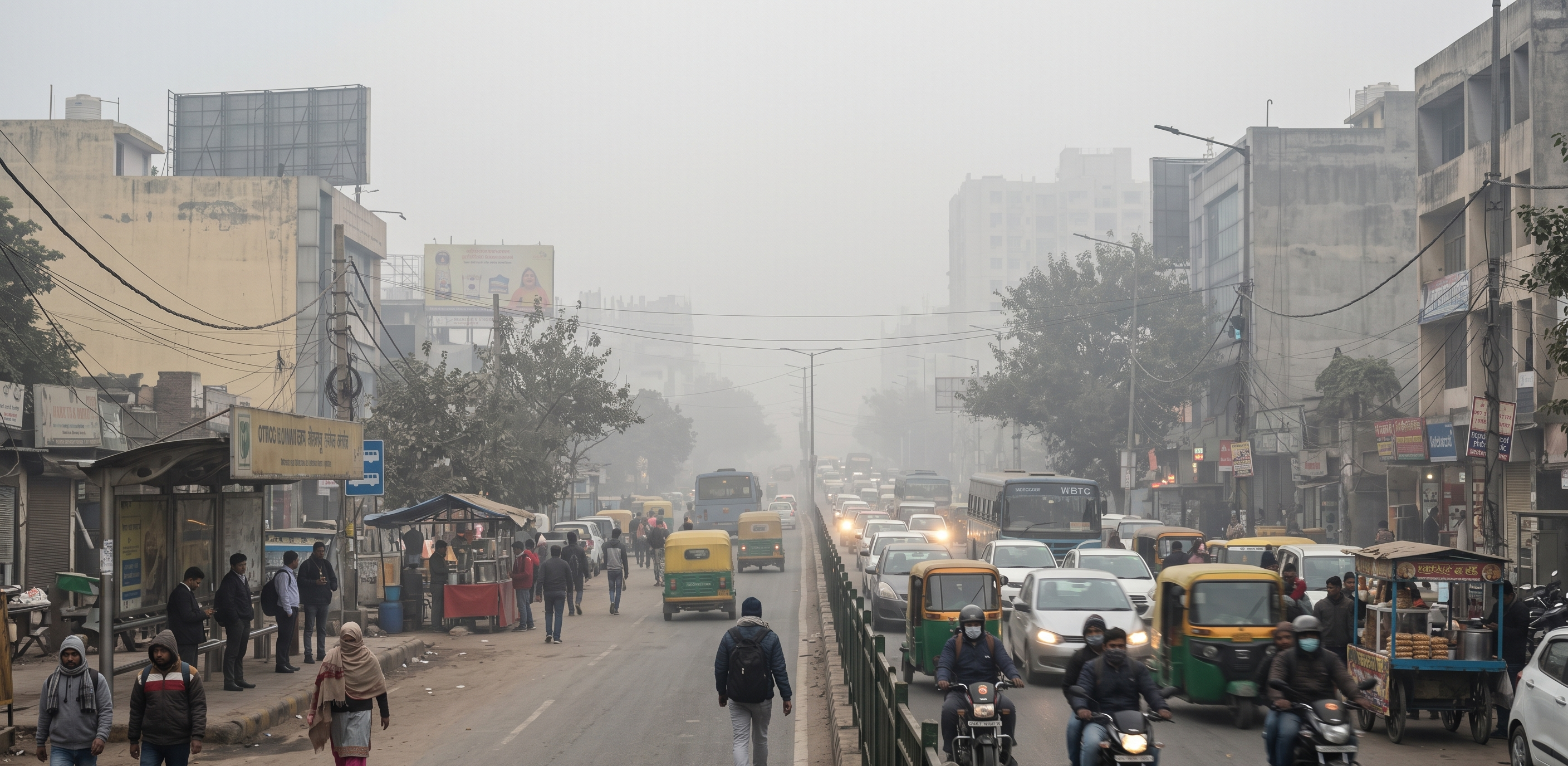
Winter AQI spikes because cold air physically traps pollutants at ground level instead of letting them rise and disperse. All the usual sources, vehicles, cooking fires, construction, industry, are doing roughly the same thing year round. The difference is that in winter the atmosphere just stops clearing any of it out.
The winter AQI reality:
-
Temperature inversions in winter physically trap pollution close to ground level where you breathe
-
Cities with no heavy industry still record high winter AQI because of atmospheric trapping alone
-
Crop burning during specific agricultural periods pushes smoke across very wide areas
-
Winter smog contains a different and more harmful chemical mix than summer haze
-
The time to prepare is weeks before the AQI peaks, not after it already has
By the time AQI crosses 300 and you start looking for protection, you have already been breathing elevated pollution for weeks. Here is what is actually driving the winter spike and what preparation actually looks like.
What Atmospheric Conditions Make AQI Spike Higher Every Winter Than Any Other Season?
Why AQI increases in winter comes down to one primary mechanism: temperature inversion. In normal conditions, air close to the ground is warmer than air higher up and that warm ground-level air rises, carrying pollutants upward and dispersing them. In winter, this reverses.
Cold nights cool the ground-level air more rapidly than the air above. You end up with a layer of cold air sitting at the surface trapped under warmer air above. Pollutants accumulate in that cold layer and cannot escape. Wind speeds also drop in winter which removes another dispersal mechanism. The same quantity of pollution that would disperse harmlessly in summer just sits at ground level, concentrating over hours and days.
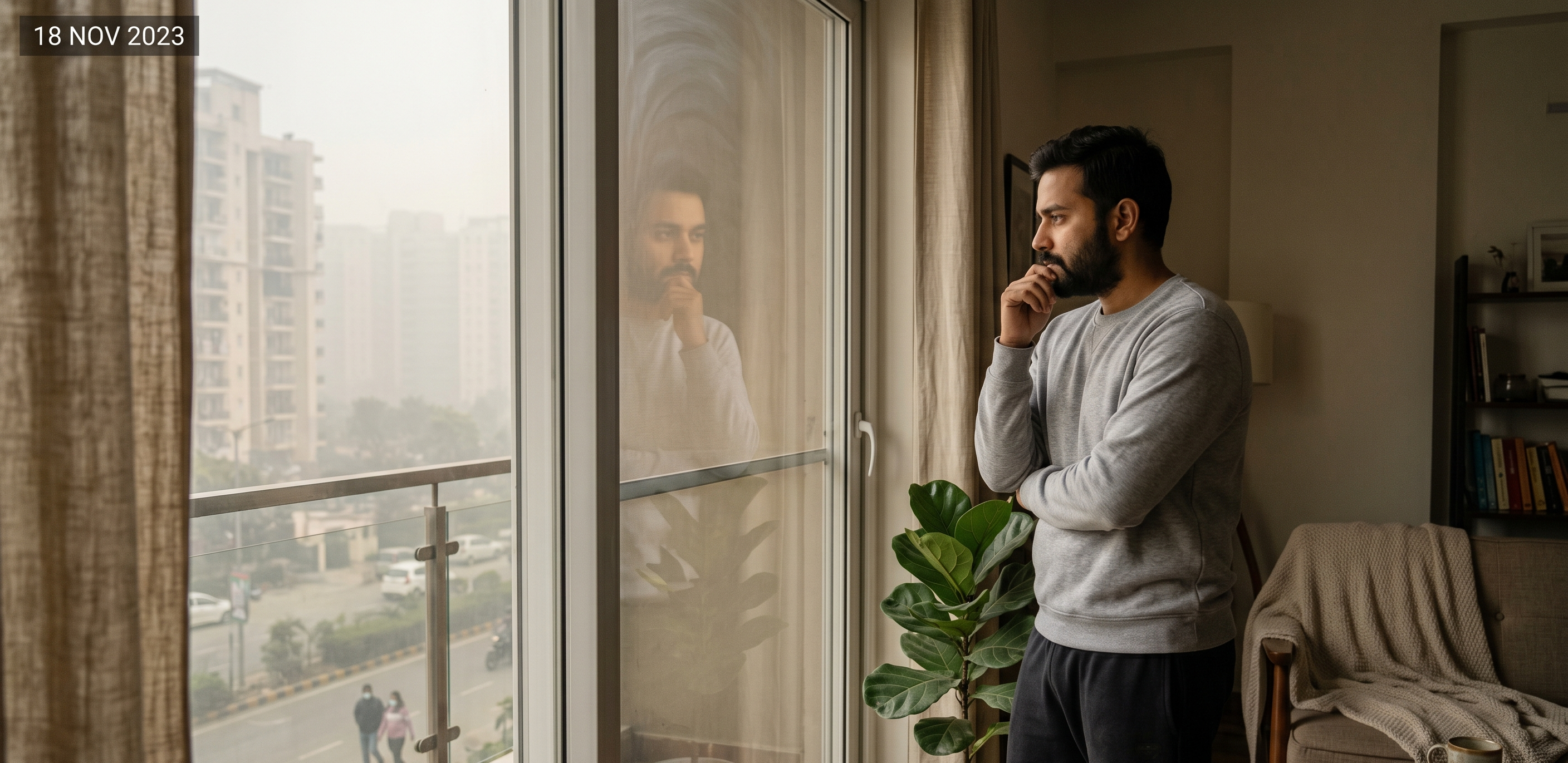
This is why winter mornings are almost always the worst part of the day for AQI. Overnight accumulation sits in that cold ground layer and does not clear until the sun warms the surface enough to break the inversion, which in deep winter can take until late morning or not happen at all.
Winter Pollution Is Predictable. Your Protection Should Be Too.
Getting an N99 mask in October rather than December means you are protected from day one of the spike — not scrambling after it has already hit. Washable up to 50 times.
See the Atovio Nova N99 MaskWhy Is AQI Consistently High in Winter Across India Despite Years of Public Awareness?
Why AQI is high in winter despite awareness campaigns is worth being honest about. Awareness does not change the physics of temperature inversions. Even if every vehicle and factory were significantly cleaner, winter atmospheric trapping would still concentrate whatever pollution remained at ground level.
Monitoring has expanded, app usage is widespread, and media coverage during bad pollution events is substantial. None of that changes the meteorological conditions. It only changes whether individuals respond. And most still do not respond early enough.
Why Does Pollution Increase in Winter Even in Cities That Have No Heavy Industry or Major Traffic Corridors?
Why pollution increases in winter even in smaller cities with no major industrial presence puzzles a lot of people. If there are no factories and traffic is light, why does AQI still climb in winter?
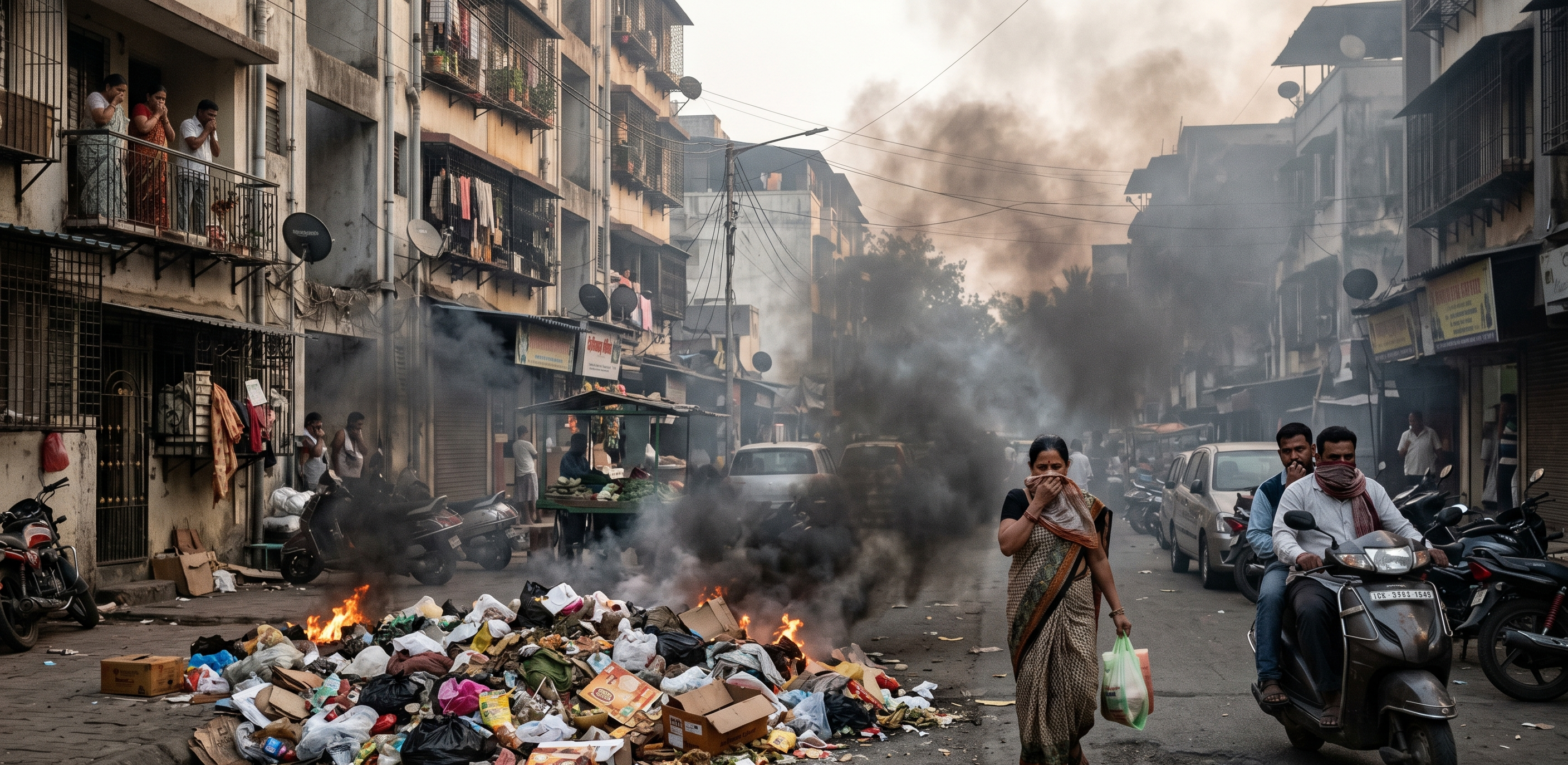
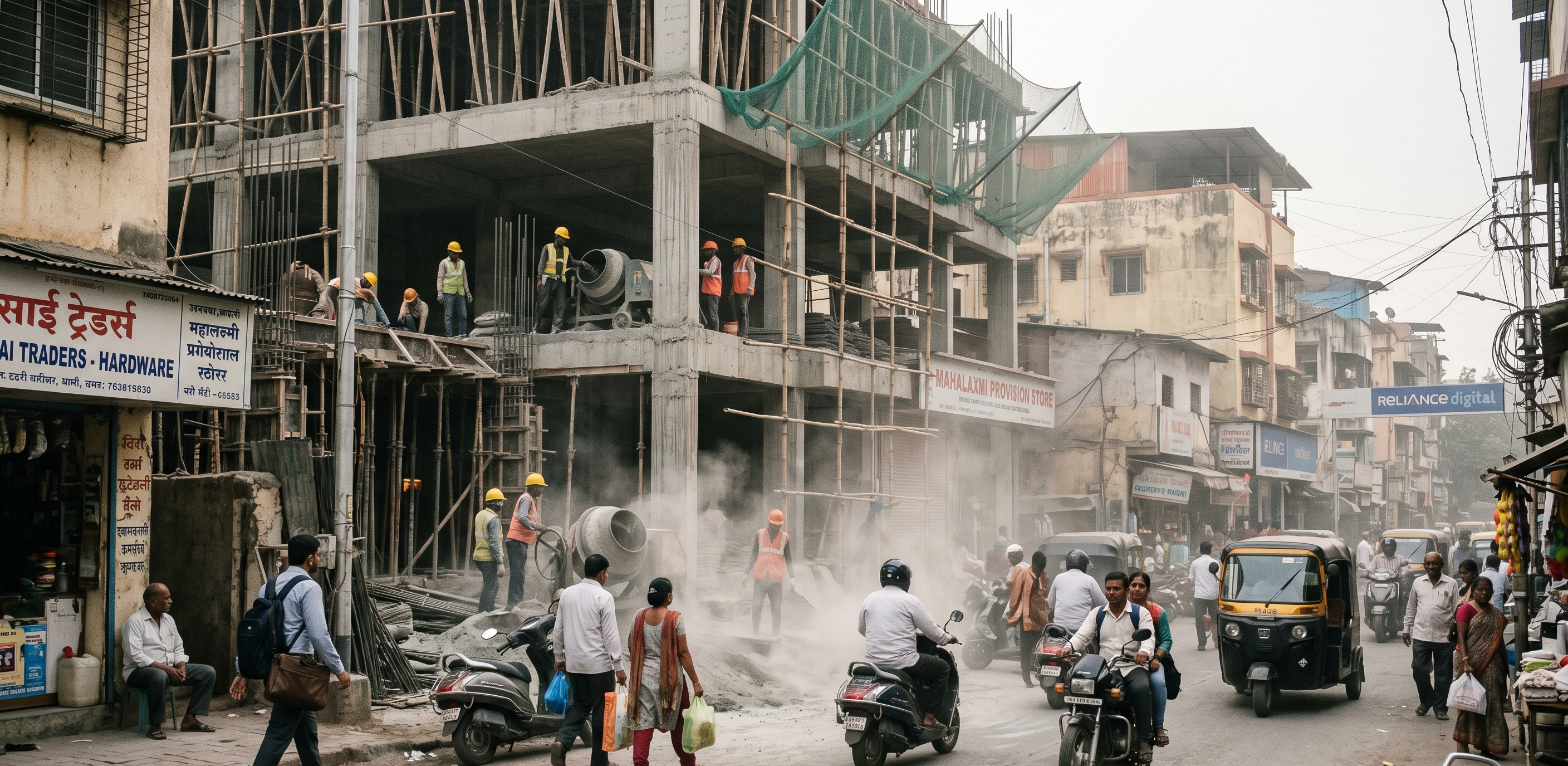
The trapping mechanism again. Cooking fires, waste burning, diesel generators, construction dust, vehicle exhaust from even moderate traffic, all produce pollution year round. In summer the atmosphere disperses it. In winter the inversion layer concentrates everything locally. A city with very light pollution sources in summer can still record genuinely poor AQI in winter simply because its local emissions have nowhere to go. No city in India's northern plains is reliably safe from winter spikes by virtue of being smaller.
Why Does Crop Burning Spread Smoke Across Such a Wide Area During the Annual AQI Spike?
Crop burning during the post-harvest agricultural period is a major contributor to the annual AQI spike and the reason it spreads far from the actual burning sites comes down to the same atmospheric conditions.
Smoke from agricultural burning is released at low altitude and the inversion layer traps it close to ground level just like everything else. Wind carries that trapped smoke horizontally across large distances rather than dispersing it vertically. Cities hundreds of kilometres from any active burning can record significant PM2.5 contributions from crop smoke during the annual burning period, and for weeks rather than just a day or two.

Why Is Winter Smog More Harmful to Breathe Than the Ordinary Haze You See in Warmer Months?
Winter smog is chemically different from summer haze and that difference matters for health. Summer haze is largely primary pollution, particles and gases emitted directly from sources. Winter smog involves secondary pollutant formation where emissions react with each other in cold trapped air to form new compounds.
Nitrogen oxides and sulfur dioxide react in cold air to form fine secondary particles and nitric acid. These are smaller and more chemically reactive than primary particles, penetrating deeper into lung tissue and causing more inflammation per unit of exposure. The cold air itself also causes airways to constrict, making the lungs more vulnerable to whatever is in the air. Winter air at AQI 200 is doing more damage than summer air at AQI 200, not just the same amount.
How Do You Reduce Air Pollution Exposure at Home When the Seasonal Spike Arrives and You Cannot Wait for the AQI to Drop?
How to reduce air pollution exposure at home during the winter spike is something most people figure out reactively, after AQI is already hazardous. The steps that help are more effective when already in place before the peak.
Keeping windows closed during peak pollution hours, which in winter means most of the morning and evening, is the most basic step most households in affected cities are not consistent about. Reducing indoor pollution sources during high AQI periods matters too. Cooking ventilation, incense, and candles all add to indoor particulate load on top of whatever is seeping in from outside.
Personal air purification becomes relevant on high AQI days spent mostly indoors. The Atovio Pebble uses anion technology tested by IIT Kanpur and is designed to reduce PM2.5 in your immediate breathing zone. On a hazardous winter day at a desk or resting, that kind of personal coverage works differently from a room purifier across the space.
For outdoor exposure during the spike, the Atovio Nova N99 Mask filters 99.6% of particulates and is built for the extended wear Indian commutes require.

What Do India's Worst Winter Pollution Levels Actually Mean for Your Daily Health Risk?
How much pollution in India during winter peaks translates to real daily health costs that most people underestimate because the effects are not always immediate.
And look, AQI sitting at 300 to 400 during peak winter weeks is not some rare event in the worst affected cities. It is just Tuesday. Every hour outside without any filtration on those days is adding particulate load to lung tissue and the short term signs of that, fatigue, scratchy throat, that foggy-headed feeling, are the kind of things people blame on bad sleep or not drinking enough water. Over a full winter of that accumulating week after week though, the respiratory and cardiovascular effects are real and they are documented.
Children face disproportionate risk. Repeated high-AQI winter exposure during childhood has documented long-term effects on lung capacity. For the elderly, PM2.5 entering the bloodstream compounds existing cardiovascular conditions significantly.
Winter Pollution Is Predictable. Your Protection Should Be Too.
Getting an N99 mask in October rather than December means you are protected from day one of the spike — not scrambling after it has already hit. Washable up to 50 times.
See the Atovio Nova N99 MaskDo Not Wait for the Spike: How Atovio Users Build Their Winter Pollution Defence Weeks Before the AQI Turns Hazardous
The most effective thing about preparation is that it does not require knowing exactly when the spike will peak. The atmospheric conditions come together in the same general window every year. Getting protection sorted before that window opens means you are not scrambling when everyone else is.
That means having proper N99 filtration ready before the first bad week. It means knowing what your indoor air quality strategy is before you are already breathing hazardous air at home. It means understanding which AQI level should actually change your behaviour, which is closer to 150 than most people act on: At AQI 300, How Many Cigarettes Are You Effectively Smoking Every Single Day?.
And on the days when AQI turns genuinely hazardous, knowing what to do at each level is the difference between managed exposure and reactive panic: What Hazardous Air Quality Really Means and Why Most Indians Are Not Responding to It Correctly.
The spike is coming the same as every year. Whether you are ready for it is the only variable actually in your control.

Share:
Indoor vs Outdoor Air Pollution: When Is Staying Inside Actually the Safer Choice?
What Hazardous Air Quality Really Means and Why Most Indians Are Not Responding to It Correctly