

TL;DR
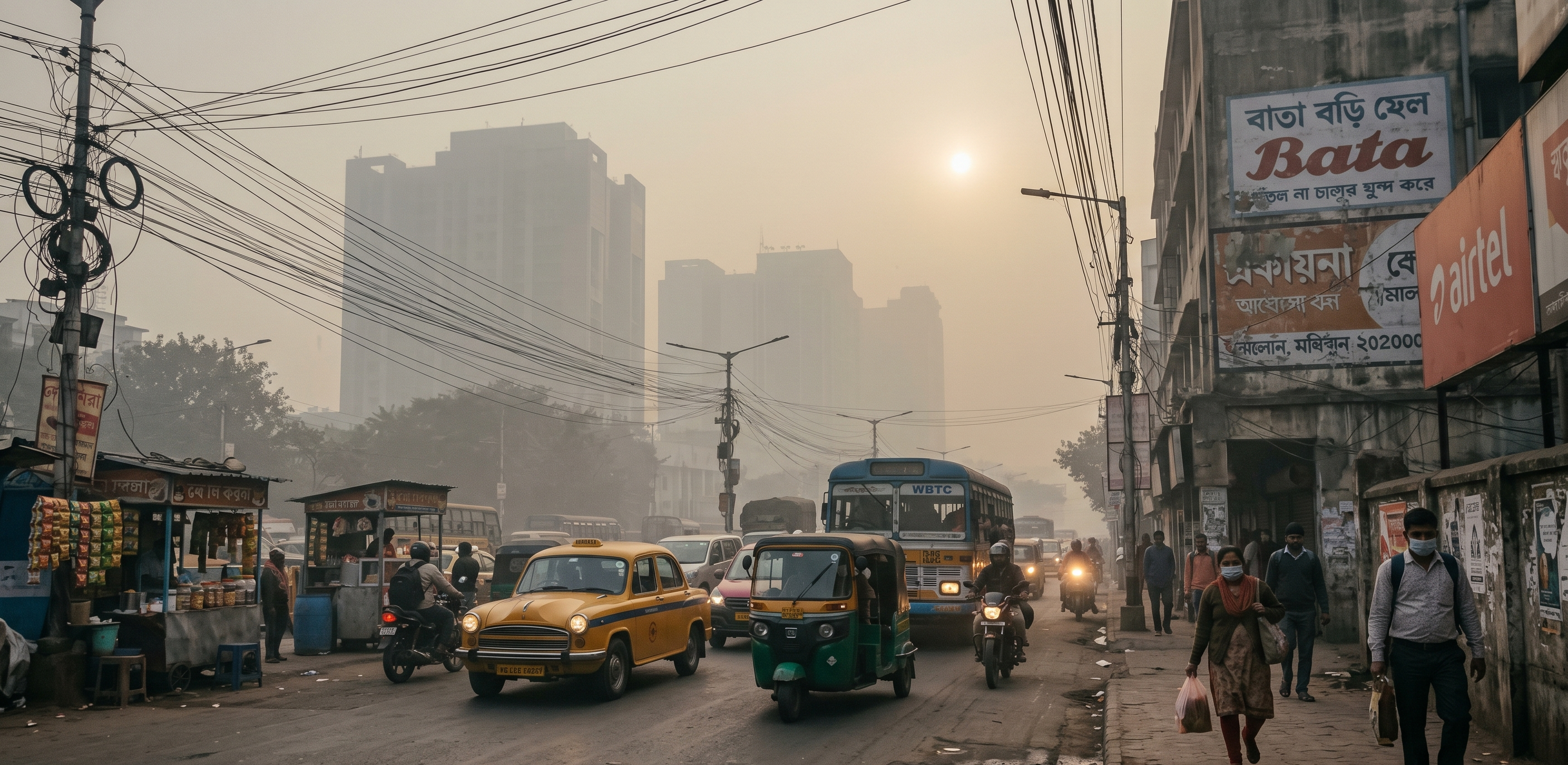
Hazardous air quality officially starts at AQI 301 on India's national scale. At this level even healthy adults experience measurable lung damage from brief outdoor exposure. Most Indians treat a hazardous AQI day like bad weather. That is not the right response.
The hazardous AQI reality nobody talks about:
-
AQI 300 translates to roughly 20 cigarettes smoked in a single day
-
PM2.5 at this level bypasses your nose and throat and embeds directly in lung tissue
-
Staying indoors helps but does not eliminate risk if your home has open ventilation
-
Children and elderly face serious medical risk before most healthy adults notice any symptoms
This is not about panicking every time you open an air quality app. This is about understanding what these numbers actually cost your body and responding at the right level.
Here is what hazardous air quality actually requires from you.
At What AQI Level Does the Air Officially Become Hazardous to Breathe?
Most of us know the AQI scale runs from 0 to 500 and lower is better. But the scale has a specific category called Hazardous and it starts at 301. That is the official threshold and it matters because the guidance changes significantly at that number.
AQI 301 and above means the air is dangerous for everyone. Not just for children or elderly people or those with asthma. Everyone including healthy adults who have never had a single respiratory problem in their entire life. And that is actually what makes the Hazardous category different from Very Unhealthy below it, which runs from 201 to 300. Below 300 there is still room for healthy individuals to make judgment calls. At 301 that room is gone.
Most people hear hazardous and assume it mostly applies to vulnerable groups. It does not. At 301 and above your lungs are accumulating damage with every breath of outdoor air whether you feel it or not.
Your Lungs Should Not Be Doing All the Filtering
When AQI crosses 200, unfiltered PM2.5 goes straight into lung tissue with every breath. The Atovio Nova N99 Mask blocks 99.6% of PM2.5 — built specifically for India's worst air days.
See the Atovio Nova N99 MaskWhich Indian States Record the Worst Air Quality Index Scores Year After Year?
If you look at air quality index India state wise data from CPCB over the last several years, the same regions keep appearing. The Indo-Gangetic Plain takes up most of the list. Delhi is the obvious name but surrounding cities are often just as bad in specific monitoring periods.
Haryana, Punjab, Uttar Pradesh, and Bihar regularly show cities crossing AQI 300 during winter. Cities like Patna, Muzaffarpur, and Hapur have recorded numbers above 400 across multiple consecutive winters. These are not isolated events. This is consistent, documented, and predictable.
Cold air in winter traps pollutants close to ground level instead of letting them disperse upward. Agricultural burning adds significant load during specific periods. Industrial activity and the sheer density of vehicles and cooking fires in dense urban areas contribute every single day.
For a detailed look at why AQI spikes every winter and what actual preparation looks like before the numbers peak: Why AQI Spikes Every Winter in India and What Preparation Actually Looks Like Before It Peaks.

Why Does Expressing AQI 300 in Cigarettes Tell You More Than the Number Itself Ever Could?
This framing is useful because numbers on a screen are abstract, right? The 300 AQI cigarette equivalent sits at roughly 20 cigarettes for a full day outdoors. Some estimates go lower, some higher depending on what exactly is in the air that day. But 20 is a fair middle ground and it is the number that tends to make people stop scrolling.
Nobody would sit down and smoke 20 cigarettes in a single day if they had never touched one in their life. But those same people will walk to work, wait at bus stops, run errands and spend hours outside when the AQI is at 320 or 340 and not really think about it the same way. At 400 you are looking at somewhere around 25 to 27 cigarettes. At 500 some studies have put it close to 40 for a full day outside. So yeah, the next time the app shows 320, translate it before stepping out without anything on.
At What Point Does a Dangerous AQI Level Tip Into a Genuine Medical Emergency?
A dangerous AQI level becomes a medical situation faster than most people expect. For someone with asthma or COPD, AQI above 200 can trigger a serious episode. For healthy adults the threshold is higher but what makes hazardous AQI tricky is the lag in symptoms.
You can be outside at AQI 340 and feel okay for an hour or two. The irritation starts mild, scratchy throat, slightly watery eyes, nothing that reads like an emergency. In that window where you feel fine the PM2.5 is already embedding in lung tissue and your body has already started an inflammatory response. By the time you notice something is wrong the exposure has already happened.
Children are in a completely different situation. Their lungs are still developing and hazardous AQI exposure during childhood creates risks that show up years later as reduced lung capacity and higher asthma rates. The damage is not visible in the moment and that is honestly the most dangerous part of it.
Indoor Hours Need Protection Too
Outdoor PM2.5 infiltrates homes through gaps, vents, and door openings. The Atovio Pebble creates a personal clean-air zone indoors — filter-free, silent, 40+ hour battery.
See the Atovio PebbleWhat Physical Damage Does Hazardous AQI Actually Do to Your Lungs Over Time?
Hazardous AQI meaning translates to something very specific inside your respiratory system. PM2.5 particles are small enough to bypass the nose and throat entirely and go straight into the alveoli, the tiny air sacs deep in your lungs where the actual oxygen exchange happens. At AQI above 300 every single breath is pulling a meaningful quantity of these particles in and they are not just passing through.
What that does over time is chronic inflammation in the airways, scarring of lung tissue, reduced lung capacity and it does not stop there. PM2.5 can actually cross from the lungs into the bloodstream and cause inflammation in blood vessels and that is what raises stroke and heart attack risk even in people who have never had any respiratory issues in their life. The lungs do not have a reset button is the thing. The structural damage that builds up over repeated hazardous AQI days does not just clear out when the air gets better.

How Do You Protect Yourself From Air Pollution When the AQI Is Hazardous and Staying Home Is Not an Option?
This is the practical question right? Because staying indoors on a hazardous day is the first advice everyone gives and it is also advice most working people in India simply cannot follow every time. Commutes happen. Life does not pause for AQI.
When going out is unavoidable during hazardous air quality, proper filtration is not optional. Cloth masks and surgical masks filter almost nothing in terms of PM2.5. You need something rated N95 or above with a proper face seal. The Atovio Nova N99 Mask filters 99.6% of particulates through a 6-layer system and is built for the kind of conditions Indian commuters actually face.
Beyond the mask, limiting outdoor duration matters. Avoid arterial roads where vehicle density is highest. And do not do anything that significantly increases your breathing rate outdoors because when your breath deepens you pull in far more polluted air with every inhale.
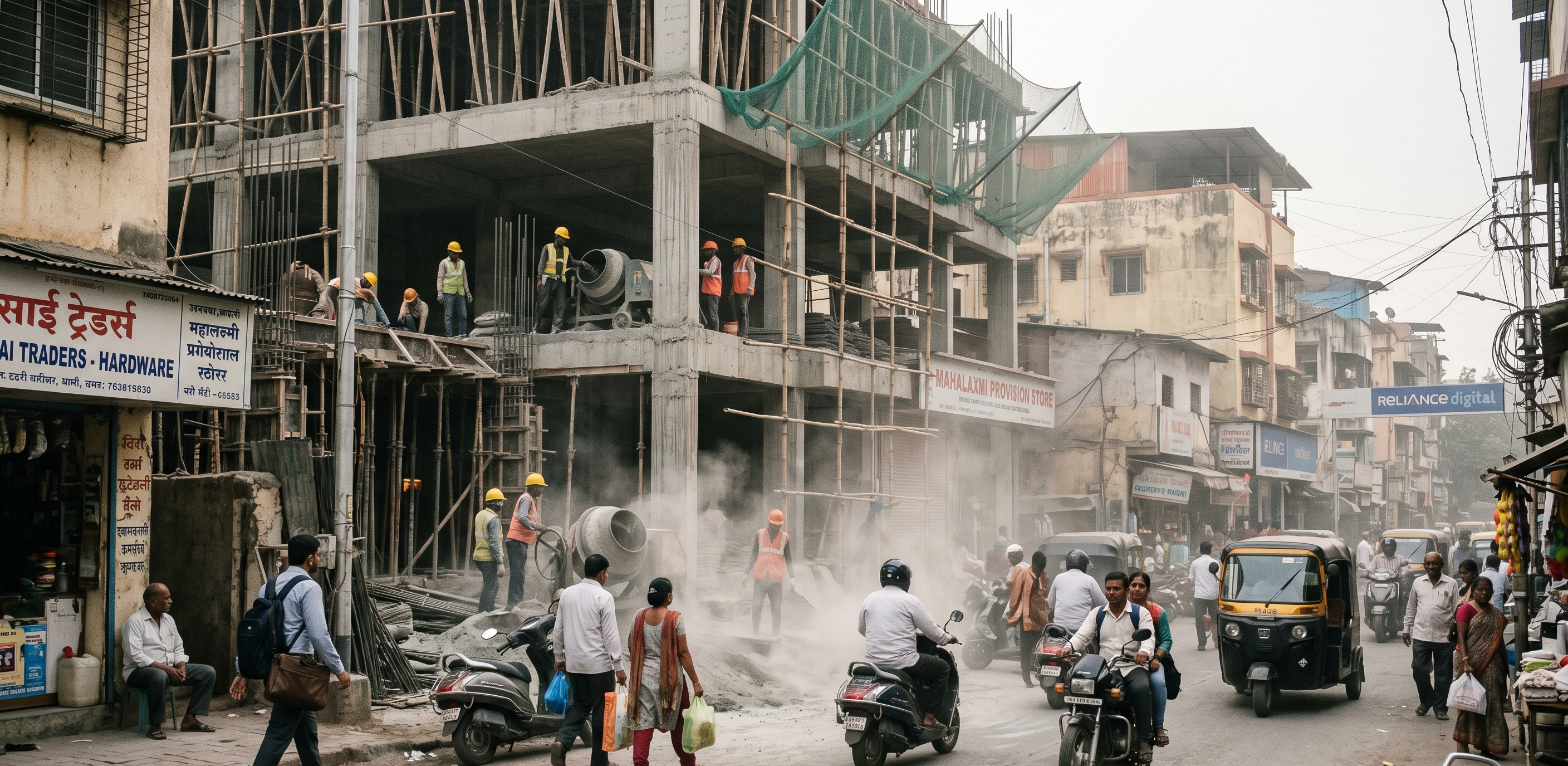
For anyone living or working near construction zones where exposure compounds on top of already high AQI: Construction Pollution: Just How Dangerous Is the Air Around an Active Building Site?.

Is a Portable Air Purifier Built for Pollution Effective Enough for Genuinely Hazardous Air Quality Days?
Honestly, the straight answer is it depends on what you expect it to do. A portable air purifier for pollution is not going to make outdoor hazardous air safe to breathe. Nothing does that short of a properly sealed respirator.
What a wearable purifier does well is reduce particulate concentration in your immediate breathing zone in enclosed spaces. On a hazardous day when you are mostly indoors that matters more than people realize, because indoor air in Indian homes is often worse than outdoor air depending on ventilation and cooking activity. The Atovio Pebble uses anion technology tested by IIT Kanpur. It is not a replacement for outdoor protection but as a coverage layer for the hours you spend indoors during high pollution periods it does its job.
For working out when staying indoors genuinely protects you versus when outdoor pollution is finding its way in regardless: Indoor vs Outdoor Air Pollution: When Is Staying Inside Actually the Safer Choice?.
Build Your Protection Before the Next Spike
Hazardous AQI days are not going away. The Atovio Nova N99 Mask for outdoor exposure. The Atovio Pebble for indoor hours. Both environments covered.
Start With the N99 MaskThe Complete Escalation Plan for Hazardous Air Quality: What to Do at Every AQI Level Before It Is Too Late
The problem with most air quality advice is it treats AQI as binary. Either fine or not fine. But your response to AQI 160 should look different from AQI 260 and completely different from AQI 360. Not having a clear sense of what each level calls for is how people underprotect on genuinely dangerous days.
At AQI 100 to 150 sensitive groups should limit outdoor time and masks become useful for children and those with respiratory conditions. At 151 to 200 everyone should reduce prolonged outdoor exertion and masks stop being optional. From 201 to 300 minimize outdoor time entirely and filtration is non-negotiable if going out is unavoidable.
At AQI 301 and above stay indoors if possible, seal ventilation gaps, use whatever indoor air purification you have. If going outside is genuinely unavoidable wear the most effective filtration you own and keep time outside as short as you can. Children, elderly, and anyone with respiratory or cardiovascular conditions should not go outside at all on these days.
For a full breakdown of what AQI 300 means practically and what an emergency protocol looks like: At AQI 300, How Many Cigarettes Are You Effectively Smoking Every Day?. And for days when industrial fires or burning waste push smoke on top of an already hazardous base reading: Industrial Smoke and Burning Waste Are Everywhere in India. Here Is What That Air Is Doing to Your Lungs..
Most Indians are not responding to hazardous air quality correctly and it is not really their fault. The numbers feel abstract, the damage feels invisible, and daily life creates constant pressure to just keep moving. But your body is keeping a record of every hazardous air day whether the effects show up now or years from now. Getting the response right before symptoms arrive is the only approach that actually protects you.

Share:
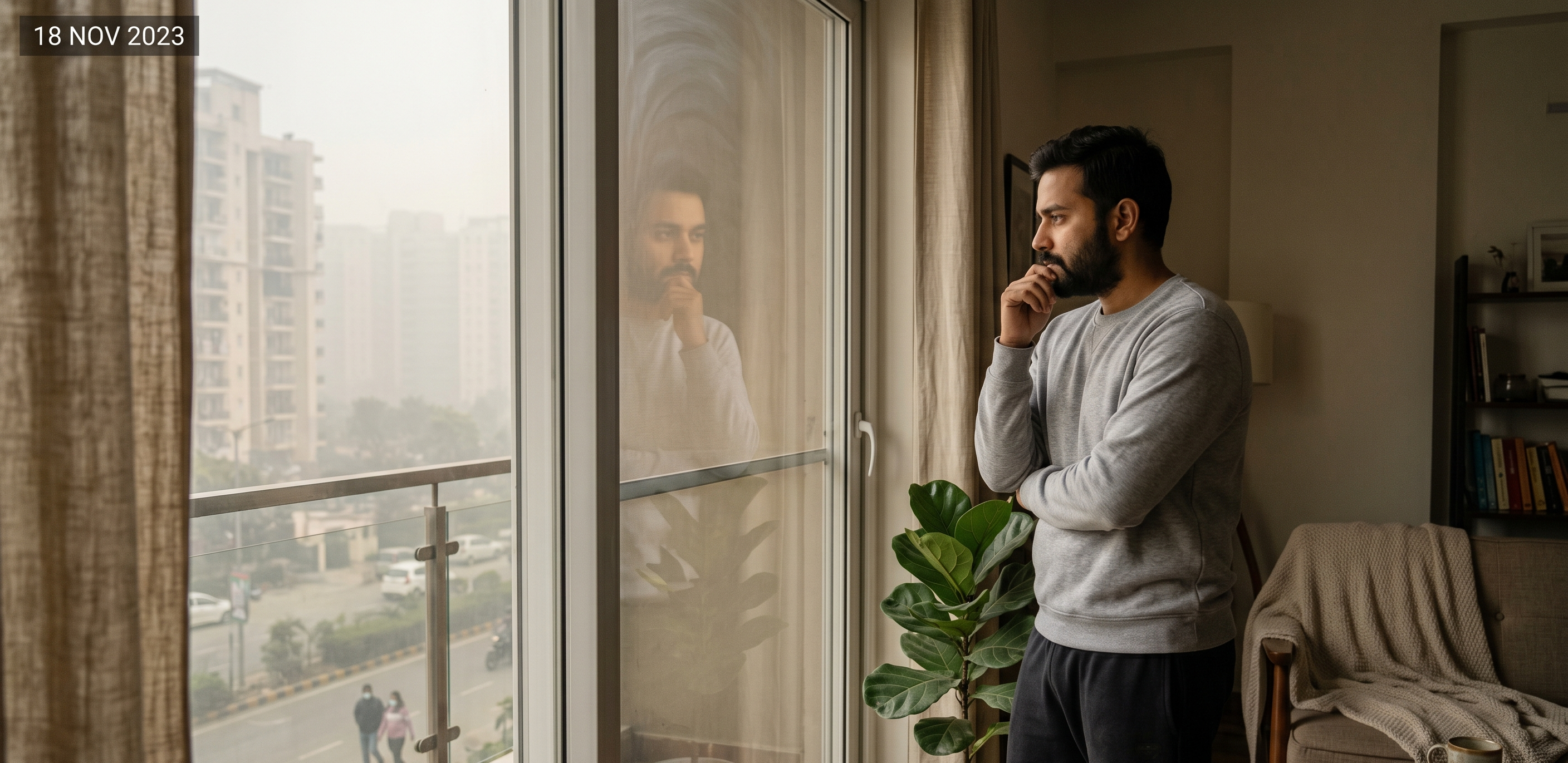
Indoor vs Outdoor Air Pollution: When Is Staying Inside Actually the Safer Choice?
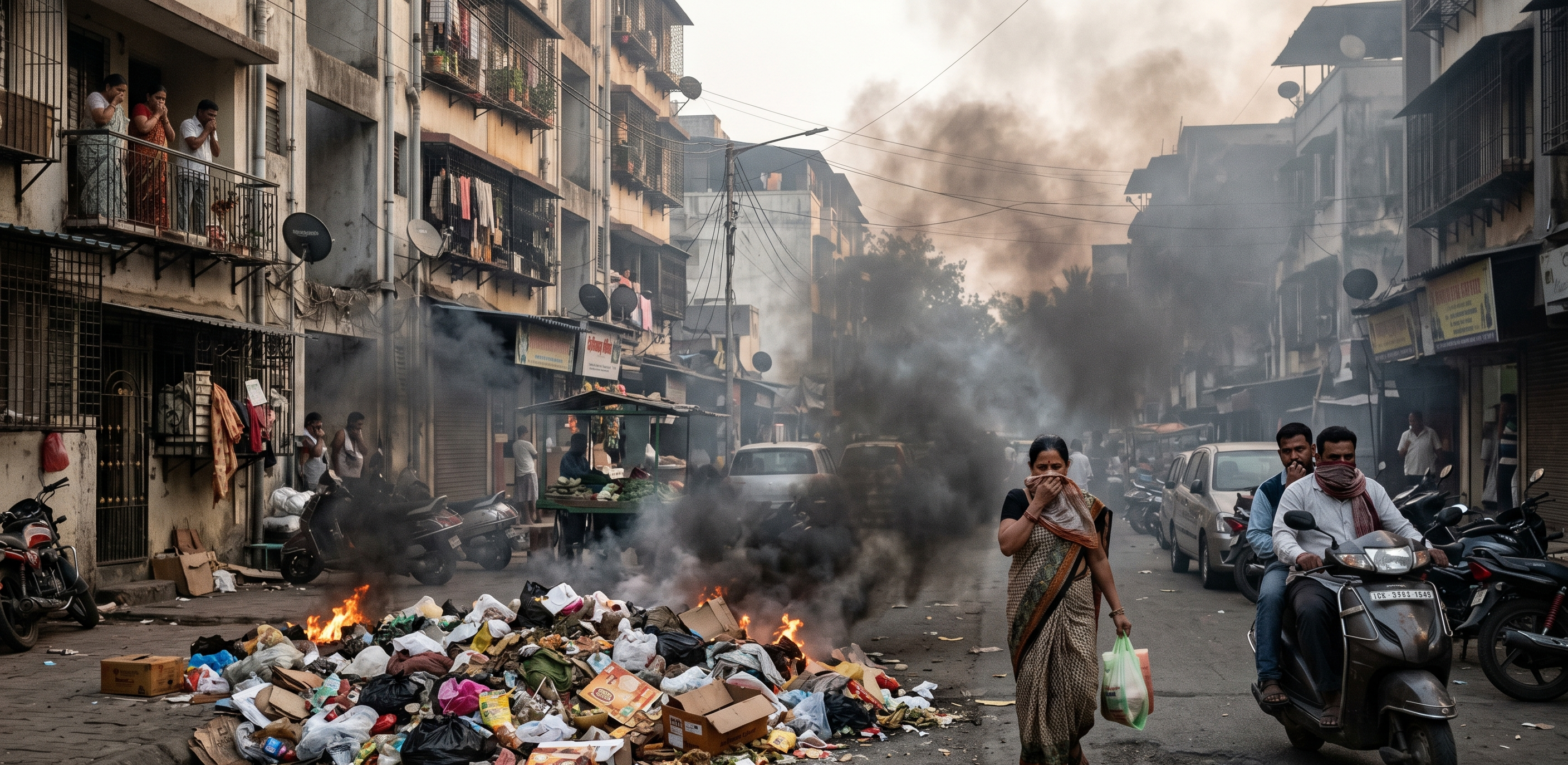
At AQI 300, How Many Cigarettes Are You Effectively Smoking Every Single Day?