


TL;DR
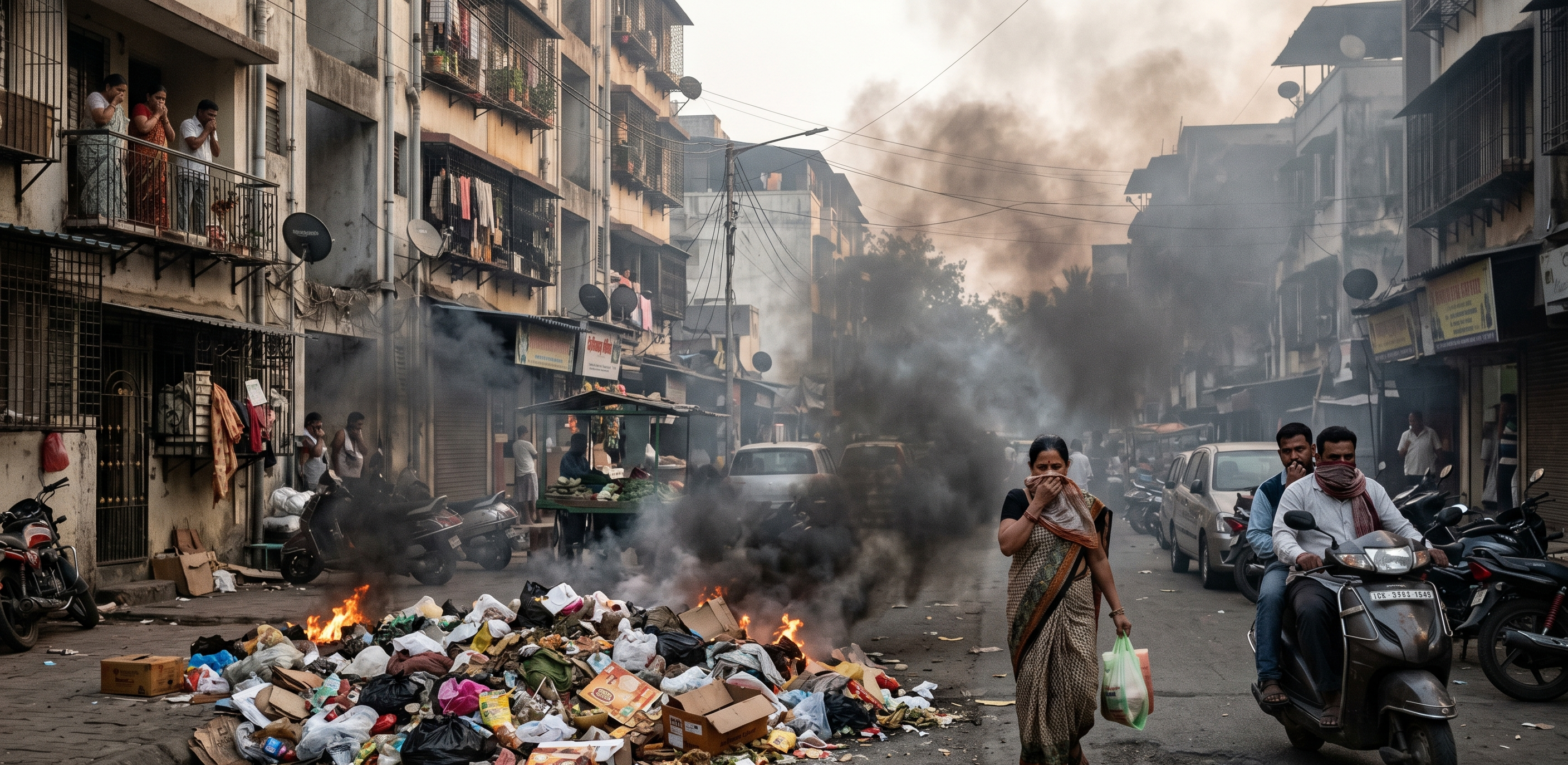
Burning waste and industrial smoke can push local AQI past 400 within hours. And the reason it hits harder than traffic pollution is not just the quantity, it is what is actually in it. The body has no real way to clear some of these compounds once they reach lung tissue.
The industrial smoke reality:
-
Industrial smoke and burning waste contain chemical compounds that traffic pollution typically does not
-
Fire smoke is harder for the body to handle than ordinary smog because of its chemical complexity
-
A single burning waste event can push local PM2.5 to levels that exceed urban pollution peaks by several times
-
AQI 500 near an active industrial fire translates to roughly 40 cigarettes of particulate exposure in a day
-
The safe PM2.5 limit is 15 micrograms per cubic metre annually. Industrial smoke events can exceed that in a single hour.
When the smoke reaches your street you are already being exposed. Here is what that exposure actually means.
What Makes Industrial Air Pollution Different From the Traffic Pollution Most City Residents Are Used to?
Industrial air pollution and traffic pollution both show up as PM2.5 on a monitor but they are not the same thing in terms of what is in them and what that means for the body. Traffic pollution is mostly combustion particles from petrol and diesel, nitrogen oxides, carbon monoxide. Your body does not love any of that but it has some capacity to manage it at lower concentrations. Industrial sources are different. Factories burning coal or heavy fuel oil push sulfur dioxide into the air at levels vehicle exhaust almost never reaches. Metal processing, chemical manufacturing, and cement production add heavy metal particulates, lead, cadmium, arsenic. These accumulate in tissue and the toxicological effects go well beyond the kind of lung inflammation traffic pollution causes. The carcinogenic load is also meaningfully higher.
Industrial Smoke Adds Chemical Compounds Standard Masks Were Not Designed For
The Atovio Nova N99 Mask filters 99.6% of PM2.5 including combustion-derived particulates from garbage burning and industrial fires — 6-layer EAPI filtration with breathable cotton fabric.
See the Atovio Nova N99 MaskWhy Is Fire Smoke Harder for the Body to Handle Than Ordinary Urban Air Pollution?
Fire smoke is harder for the body to manage than ordinary smog and the reason comes down to chemistry. Ordinary urban pollution contains primary particles from combustion and some secondary particles formed by atmospheric reactions. Fire smoke adds something else on top, the byproducts of incomplete burning. Whatever is actually in the fire, household waste, plastic, rubber, old electronics, construction debris, it all burns differently and releases different things. Dioxins and furans come off burning plastic. Polycyclic aromatic hydrocarbons from organic material. Heavy metal fumes from anything with paint or electronics in it. None of these show up at significant levels in ordinary traffic pollution.
The body's response to fire smoke is also more acute. The irritant compounds trigger faster and stronger inflammatory responses. People with no prior respiratory issues can develop significant breathing difficulty within hours of sustained smoke exposure in a way ordinary urban air almost never produces.
Why Do Smoke Events Push PM2.5 to Levels That Ordinary Urban Pollution Almost Never Reaches on Its Own?
What is PM2.5 in air quality terms is worth understanding in the context of fire events. Urban pollution sources contribute to PM2.5 continuously but spread across millions of vehicles over a large area. A fire concentrates PM2.5 generation at a single point and releases it rapidly. A large burning waste pile can emit in an hour what a busy road produces over a day, into a localised area.
Wind carries that concentrated plume into specific neighbourhoods before it has had a chance to disperse. People in the plume path experience genuinely extreme PM2.5 exposure for however long the fire burns and the wind holds.
What Exactly Happens Inside Your Lungs When You Breathe PM2.5-Heavy Industrial or Burning Waste Smoke for Hours?
Why is PM2.5 harmful in the specific way fire smoke makes it is worth actually understanding rather than just accepting as a given. PM2.5 is small enough to completely bypass the nose and throat filtration that catches larger particles and lands directly in the alveoli, which are the tiny air sacs deep in the lungs where oxygen actually moves into the blood. Your immune system then sends macrophages to deal with the particles. Under normal conditions this works okay. Under heavy fire smoke loading the macrophages get overwhelmed, they die, and the process of dying releases compounds that damage the alveolar wall itself. That damage during acute exposure is not something that fully reverses.
And then a few hours later you notice chest tightness, difficulty breathing, a cough that does not stop. People tend to attribute this to stress or dust or coincidence. It is not coincidence. It is the biological aftermath of what happened in the lungs while the smoke was being breathed.
What Is in Smoke From Burning Waste and Industrial Fires That Makes It Chemically More Dangerous Than Regular Smog?
Air pollution smoke from waste burning and industrial fires is a genuinely different category of air problem from traffic pollution and the difference is in what is actually burning.
Plastic burning is one of the worst of it. Dioxins and polychlorinated biphenyls come off at temperatures that open waste fires regularly reach and both are carcinogenic and known to disrupt hormone function. Rubber puts benzene, toluene, and styrene into the air. Anything painted or treated with preservatives releases lead and chromium. And electronic waste, which in a lot of informal settlements just gets burned in the open because there is no other way to dispose of it, releases cadmium, mercury, and brominated flame retardants all at once. You cannot really see any of this happening. It just goes into the air and into whoever is nearby.

What Does the 500 AQI Cigarette Equivalent Mean for Someone Living or Working Near an Active Industrial Fire Zone?
The 500 AQI equivalent to cigarettes framing makes the dose concrete. At AQI 500 the particulate exposure for a full day outdoors is close to 40 cigarettes worth of PM2.5 loading.
Near an active industrial fire the AQI does not have to be at 500 citywide. It only has to be at that level in your street for the hours the plume passes through. A few hours at AQI 400 to 500 is not trivial for anyone's respiratory system. For residents near regular waste burning sites, repeated acute exposure events add up in ways that cannot be attributed to background urban pollution alone.
Smoke Events Are Unpredictable. Keep Protection Ready Before the Sky Turns Grey.
The Atovio Nova N99 Mask — built for India's worst air events, not just daily commutes. Washable up to 50 times so it is always ready when you need it.
Get the Atovio Nova N99 MaskBy How Much Do Industrial Smoke Events Exceed the Safe PM2.5 Limit During Peak Exposure?
How much PM2.5 is safe has a clear answer from WHO guidelines. The annual average safe limit is 5 micrograms per cubic metre. India's national standard is 15. During a significant industrial fire or large waste burning event, PM2.5 in the immediate area can reach 300 to 600 micrograms per cubic metre. That is 20 to 40 times the national standard in a single exposure period. The body has no mechanism to buffer against that kind of acute spike.

When the Smoke Reaches Your Street, Personal Protection Cannot Wait: What Atovio's Anion Technology Does Against PM2.5
When you can see smoke or smell it, the exposure has already started. Waiting to source protection at that point is too late for the first wave of it.
For outdoor exposure during a smoke event, N99 filtration is what the situation requires. A cloth mask or surgical mask provides essentially no protection against fine smoke particles. The Atovio Nova N99 Mask filters 99.6% of PM2.5 and is built for the sustained wear smoke exposure requires when going outside is unavoidable.
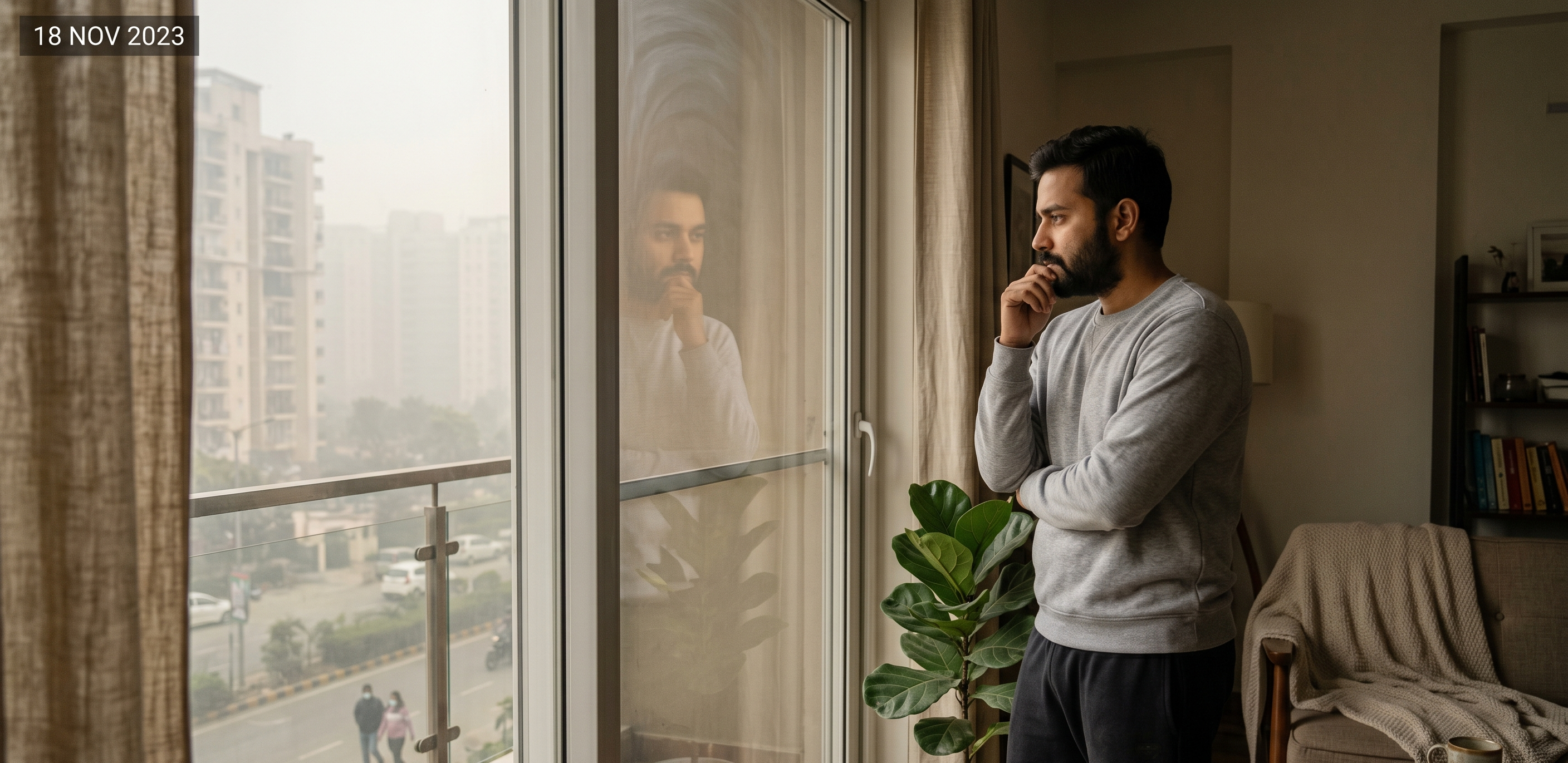
Indoors, sealing windows and using personal air purification makes a real difference to how much of the outdoor smoke reaches your actual breathing zone. The Atovio Pebble uses anion technology tested by IIT Kanpur to actively reduce PM2.5 in your immediate personal space. Reducing indoor concentrations during the hours you are inside on a smoke event day lowers total exposure in a way that genuinely matters.
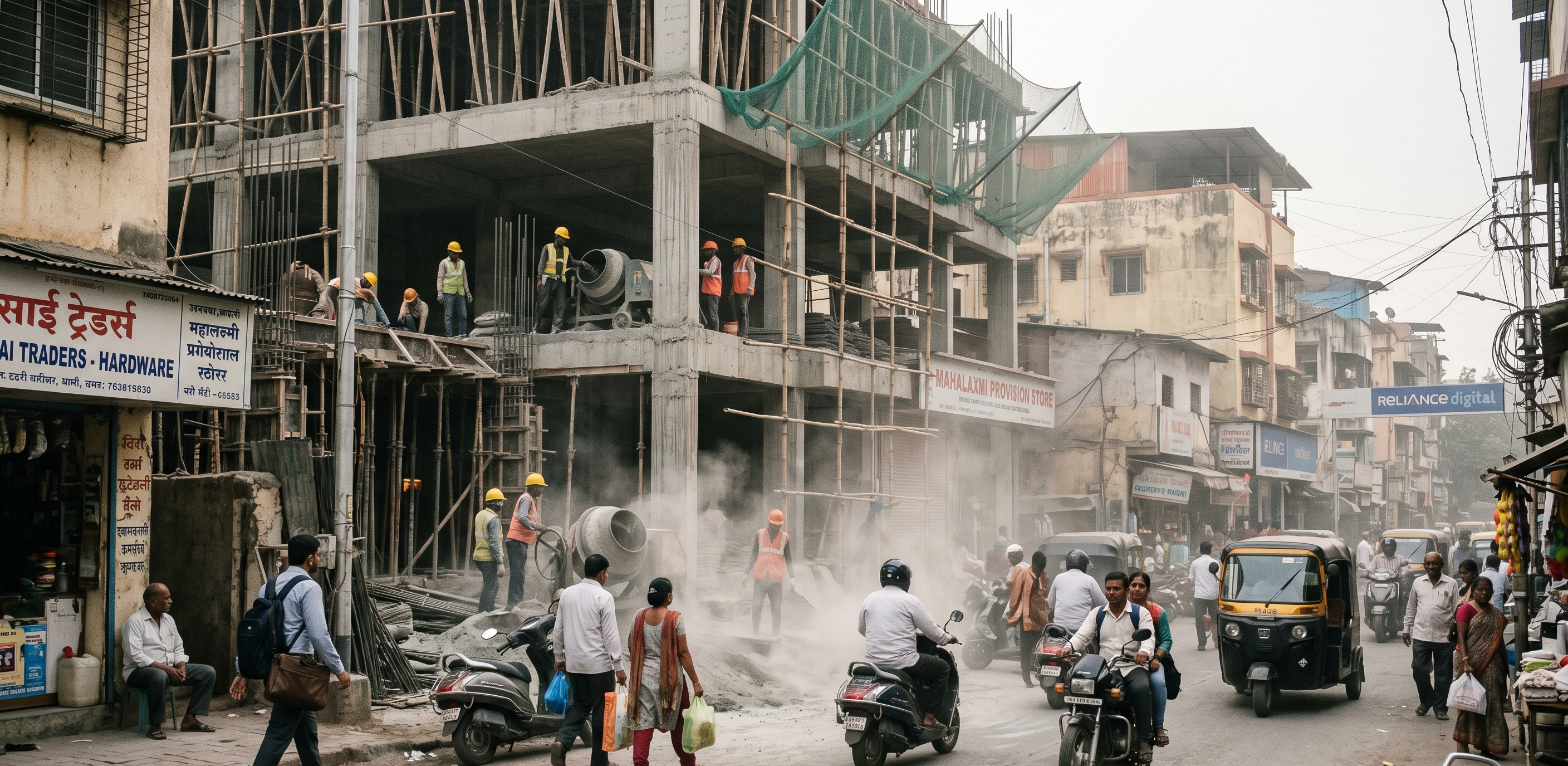
For how construction and industrial dust connects to the broader hazardous AQI picture: Construction Pollution: Just How Dangerous Is the Air Around an Active Building Site?. And for the full context on hazardous AQI and how to respond: What Hazardous Air Quality Really Means and Why Most Indians Are Not Responding to It Correctly.

Share:
Indoor vs Outdoor Air Pollution: When Is Staying Inside Actually the Safer Choice?
What Hazardous Air Quality Really Means and Why Most Indians Are Not Responding to It Correctly