


TL;DR
Quick Answer: How Dangerous Is Construction Site Pollution to Breathe?
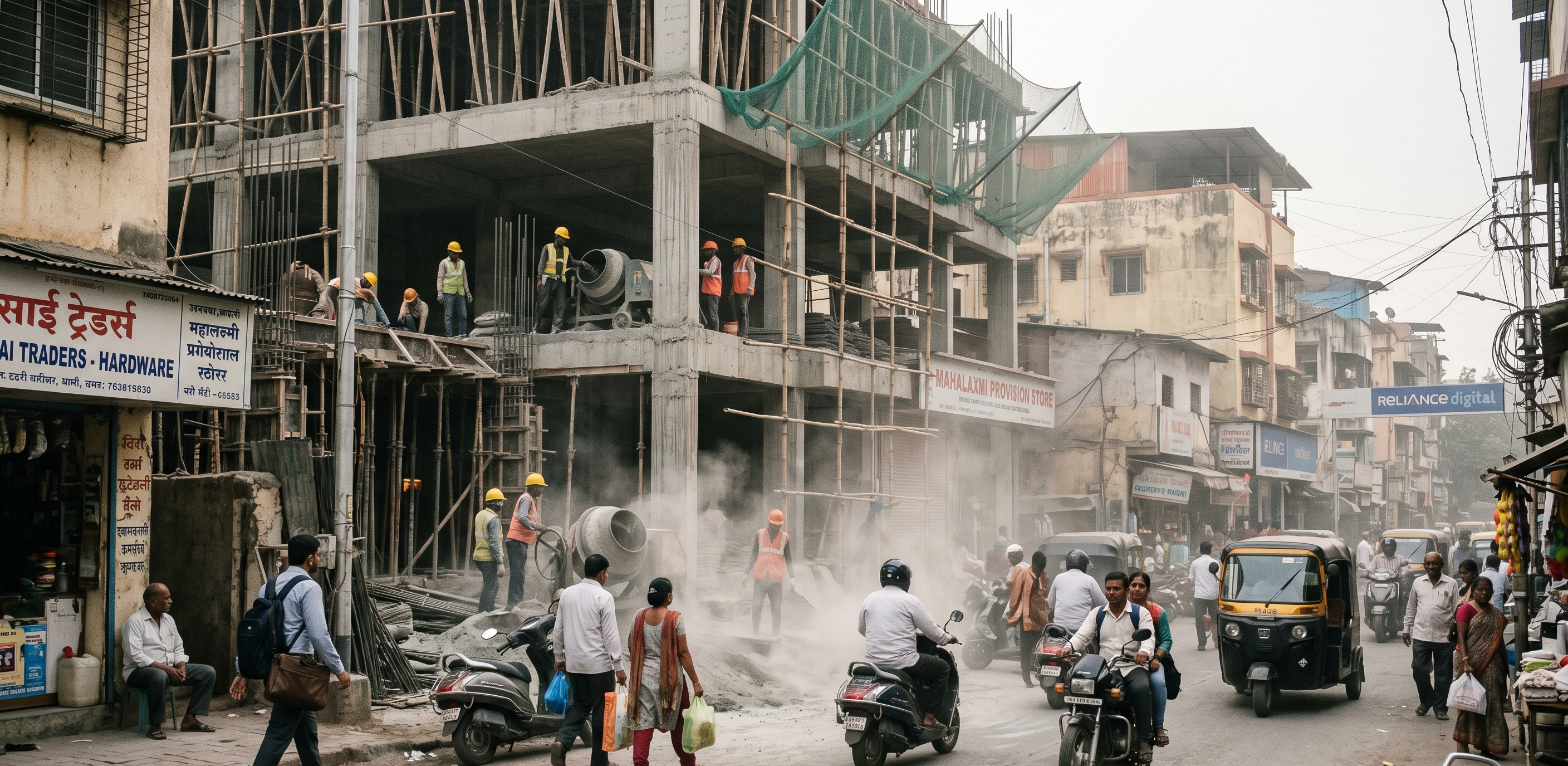
Construction site air contains a mix of fine silica dust, cement particles, diesel exhaust, and volatile compounds that in combination create a more harmful exposure than most urban pollution sources including vehicle exhaust. Workers face the worst of it but surrounding neighbourhoods get meaningful exposure too, often without realising it.
The construction pollution reality:
-
Fine silica and cement dust from active sites penetrates deep into the lungs and causes damage vehicle exhaust largely does not
-
Construction dust pollution spreads well beyond the site boundary through wind and vehicle movement
-
Dust exposure symptoms often appear mild at first and are easy to dismiss as something else entirely
-
A standard dust mask with filter is not the same as rated filtration and the difference matters
-
Industrial and factory environments create similar or worse sustained exposure for workers there every day
The air around an active building site is genuinely hazardous. Here is what that means in practice.
Why Is Construction Pollution More Harmful Up Close Than Vehicle Exhaust on the Road?
Construction pollution and vehicle exhaust both contain PM2.5 but the composition is different in ways that matter. Vehicle exhaust is dominated by combustion particles and nitrogen compounds. Construction site air adds silica dust, cement dust, heavy metals from disturbed soil, and diesel from site machinery, all at once and often at high concentrations in a confined area.
The silica component is what makes close proximity to active sites specifically dangerous. When you cut, drill, or break concrete the silica in it gets released as particles fine enough to go straight past all the filtering your nose and throat normally do and land in the deepest part of your lungs. And unlike most particles the lungs can eventually work out, silica just stays. It triggers inflammation that does not go away when you stop being exposed to it. Over time that process causes silicosis, which is both irreversible and progressive, meaning it does not stabilise, it keeps getting worse.
Vehicle exhaust at least disperses once you move away from the source. Construction dust is a different problem. It settles on surfaces, gets disturbed again by the next vehicle or gust of wind, becomes airborne again, settles again. You can realistically be breathing the same batch of silica dust several times over the course of a day without the source producing any new dust at all.
The Gap Between a Cloth Mask and N99 Is Not Small in a High-Dust Zone
The Atovio Nova N99 Mask uses 6-layer EAPI filtration designed for the concentrated particle load an active construction zone generates — cement, silica, demolition debris.
Get N99 ProtectionWhat Does Regular Exposure to Construction Dust Pollution Actually Do to the Lungs?
Construction dust pollution causes damage through a few mechanisms depending on dust type and duration of exposure. Short term, the lungs try to clear particles through mucus production and coughing. Fine particles, particularly silica, are too small to be caught by those mechanisms and get through to lung tissue.
With regular exposure over months, the inflammatory response causes permanent scarring and progressive reduction in lung capacity. For workers this is a well-documented occupational risk. For nearby residents it is lower-level but still meaningful chronic exposure that adds to their total particulate burden every day the site is active, and active sites in Indian cities run for months, sometimes years.
How Does Air Pollution Due to Construction Activities Spread Beyond the Site and Affect Surrounding Neighbourhoods?
Air pollution due to construction activities does not stay inside the hoarding boards and most people living near sites have figured this out the hard way. Fine dust is light enough to travel several hundred metres from where it was disturbed and sites near open ground spread it significantly further. Vehicles leaving the site carry dust on their tyres and deposit it on surrounding roads where every passing car picks it up and puts it back in the air.
Demolition is the worst of it. A building coming down creates short bursts of particle concentration in surrounding areas that can cross genuinely hazardous levels for hours afterwards. Concrete cutting without water running is similar. Ground-level wind patterns in built-up areas are also unpredictable in ways that mean the street with the worst dust exposure is sometimes not the one directly facing the site at all but one or two streets over where the wind has funnelled it.

What Dust Exposure Symptoms Should Workers and Nearby Residents Watch For Before They Escalate Into Serious Damage?
Dust exposure symptoms in the early stages are easy to dismiss and that is a big part of why construction-related lung disease is caught late. The body's early warning signals are not dramatic.
The most common early one is a cough that just kind of stays around. Not a you-are-sick cough, more the kind where you are constantly clearing your throat and you have started thinking of it as just a thing you do now. Stamina that is a bit lower than it used to be. Getting short of breath on a flight of stairs that did not used to do that. Mucus that is darker than it should be. These are worth paying attention to rather than writing off as coincidence.
What Are the Most Effective Ways to Reduce Air Pollution From Active Construction Sites?
Ways to reduce air pollution from construction are well established and inconsistently applied in Indian cities where site compliance monitoring is limited. Water suppression during cutting and demolition significantly reduces silica release at source. Covering stockpiles prevents resuspension by wind. Wheel wash systems at exits stop dust being tracked onto surrounding roads.
For residents nearby you cannot fix the site. Keeping windows on the construction-facing side closed during active work hours, washing hands and face after outdoor time near the site, and using respiratory filtration on high-dust days are the levers you actually have.
Does a Dust Mask With Filter Give Genuine Protection From Fine Construction Particulates or Is It Just Surface Coverage?
This is worth being clear about because the range of products called a dust mask with filter is very wide and most cheap disposable options do very little against fine silica particles.
A single-layer paper dust mask or surgical mask does not filter PM2.5 or fine silica. These particles pass straight through the filter material. For genuine protection you need a mask rated at least N95, properly fitted with a seal against the face. Fit matters as much as rating. A well-rated mask with gaps at the sides from poor fit provides far less actual protection than its rating suggests. If you are working near or living next to an active construction site, it needs to be properly fitted rated filtration, not a disposable paper mask.

How Does Construction Site Pollution Compare to What Industrial and Factory Workers Are Exposed to Every Day?
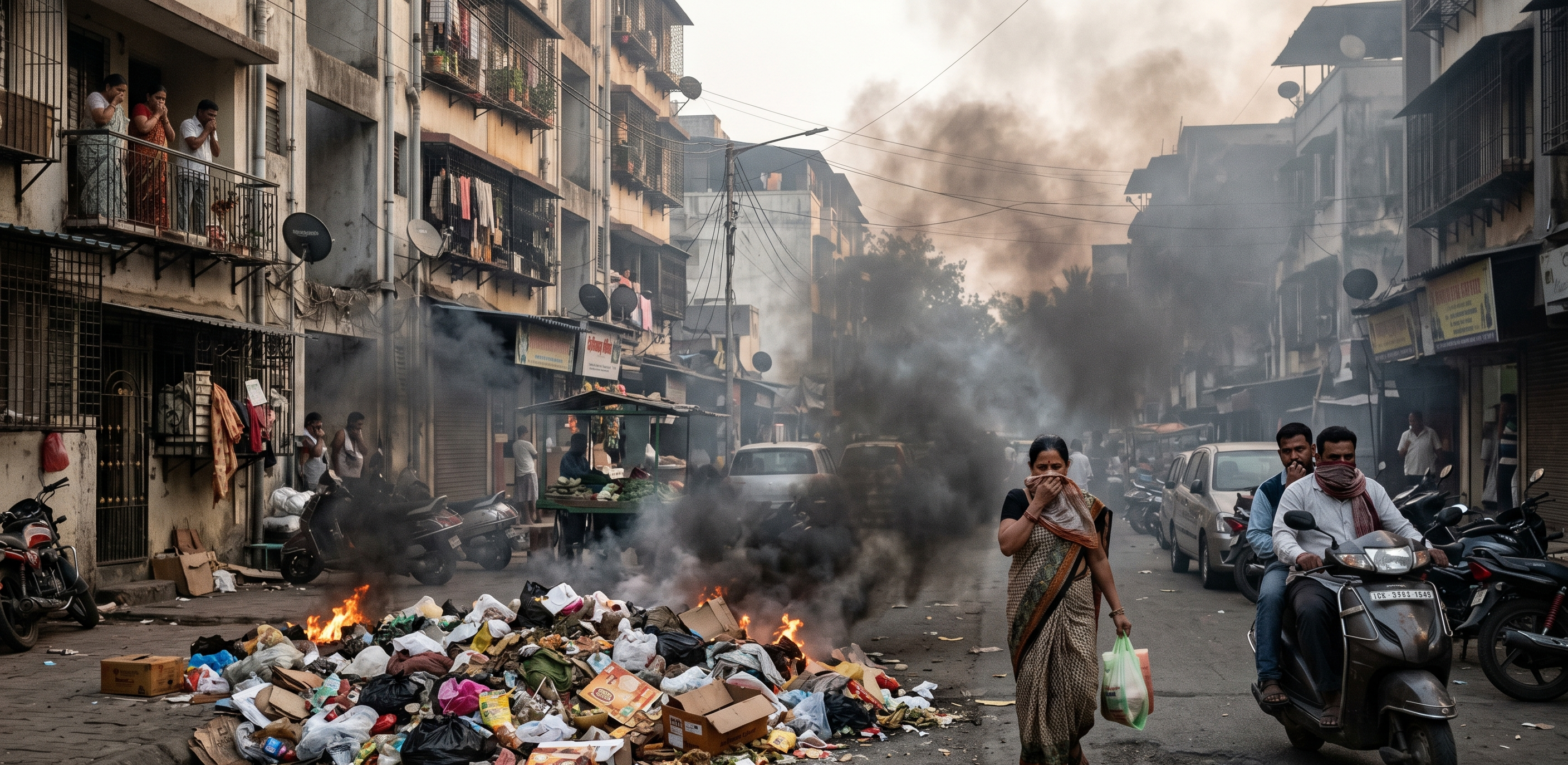
What is industrial air pollution in a factory context can be worse than construction site exposure in some ways, more contained in others.
Factory workers in cement manufacturing, ceramics, stone cutting, and metal fabrication face silica exposure comparable to construction sites, every working day, for entire careers. The key distinction is duration. A nearby resident has elevated exposure for the project duration. An industrial worker faces it daily for years and the cumulative damage reflects that.
The Gap Between a Cloth Mask and N99 Is Not Small in a High-Dust Zone
The Atovio Nova N99 Mask uses 6-layer EAPI filtration designed for the concentrated particle load an active construction zone generates — cement, silica, demolition debris.
Get N99 ProtectionWhen You Cannot Fix the Site, You Have to Protect the Person: How Atovio Pebble Works in High-Dust Environments
For workers and residents who cannot move away from a construction or industrial environment, personal protection is the only lever they control.
The Atovio Pebble is designed for personal spaces, not large rooms, and that matters in a high-dust context. Worn or placed close to your breathing zone it actively reduces particulate concentration in the air immediately around you using anion technology tested by IIT Kanpur. For someone spending hours at a desk near a construction-facing window, it provides a meaningful reduction in what actually reaches the lungs during those indoor hours.
It is not a substitute for proper outdoor respiratory protection in a dusty environment. For direct exposure the Atovio Nova N99 Mask is what the situation calls for. But for the indoor hours where construction dust has seeped in, the Pebble covers your immediate breathing zone rather than leaving that exposure unaddressed.
For more on how construction and industrial pollution fits into the broader AQI picture: What Hazardous Air Quality Really Means and Why Most Indians Are Not Responding to It Correctly. And for the PM2.5 dynamics of industrial smoke specifically: Industrial Smoke and Burning Waste Are Everywhere in India. Here Is What That Air Is Doing to Your Lungs.


Share:
Indoor vs Outdoor Air Pollution: When Is Staying Inside Actually the Safer Choice?
What Hazardous Air Quality Really Means and Why Most Indians Are Not Responding to It Correctly