


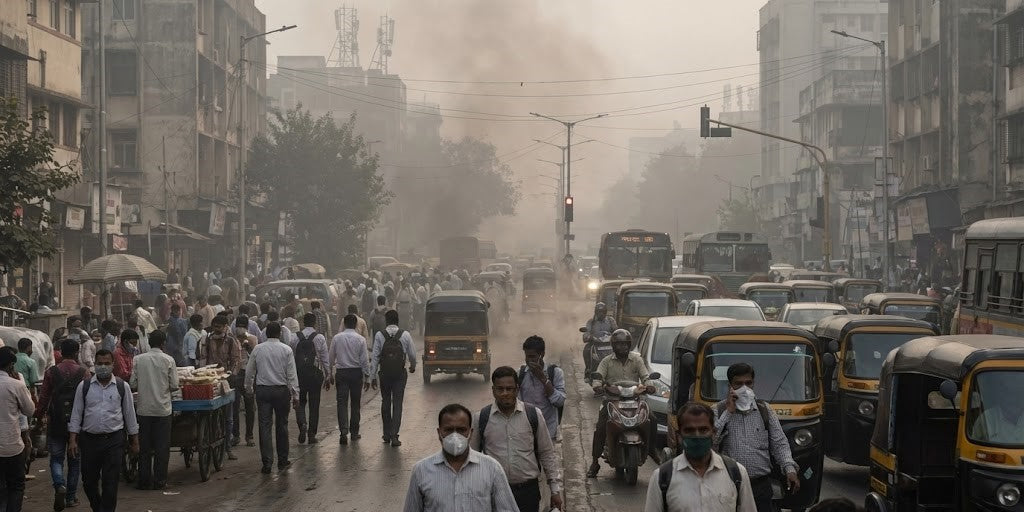
Living in any major Indian city right now? You are basically breathing in a toxic cocktail every single day. And yeah, it is as bad as it sounds.
The AQI in Delhi, Mumbai, and Kolkata routinely crosses 400 during winter months. That is equivalent to smoking 15 cigarettes daily without lighting a single one. But here is the thing nobody tells you, just staying indoors is not going to save you either.
I spent years thinking if I just avoided morning walks on hazy days I would be fine.. That did not work. The thing, about air pollution is that it does not knock on your door asking for permission to enter does it? It seeps through every crack, every window and every time you open your front door to get a package that was delivered. Air pollution is something you cannot avoid it gets in everywhere.
So after waking up with a scratchy throat one too many times and that cough that would not go away I decided I needed to figure out the prevention of air pollution from a personal protection standpoint. Not just survive it. Actually protect against it the right way.
TL;DR
AQI between 150 and 400 for five months straight in Delhi, Mumbai, Kolkata. That is equivalent to smoking 15 to 20 cigarettes daily without lighting a single one. Your bedroom purifier is not protecting you during commutes, cooking, or outdoor activities.
The exposure reality:
-
70 to 80% of pollution exposure happens outside your bedroom
-
Static purifiers clean one room. You spend most of your day elsewhere.
-
Commutes, cooking, outdoor time = unprotected hours adding up daily
-
Single layer protection leaves massive gaps
What actually works: Multi layer system. Indoor purifiers plus wearable tech for mobility plus masks for extreme days. All three working together.
This is not paranoia. This is documented medical reality across urban India. Investment less than one smartphone. Filter free technology means zero recurring costs.
The complete 8 layer protection breakdown below.
Understanding AQI Levels and What They Mean for Your Health
First thing you need to do is understand what those AQI levels actually mean because honestly? Most of us see 187 on our weather apps and think okay not ideal without realizing how dangerous that actually is.
AQI meaning is simple it is the Air Quality Index that measures how polluted your air is on a scale of 0 to 500. Here is what those numbers mean in real terms:
0 to 50 (Good): You are safe here. Go for that run, play outside, do whatever you want. Air quality like this is what you would get in hill stations or near the coast areas.
51 to 100 (Moderate): Most people will not notice anything wrong with the air. But if you have asthma or get allergies easily then your throat might feel scratchy. Maybe skip the intense morning jog if you are sensitive to air quality.
101 to 200 (Unhealthy): Kids and older people will start feeling it now. Coughing, slight breathing trouble that kind of thing. If you are in this group then stay indoors when you can. And yeah wear a mask if you need to go out.
201 to 300 (Very Unhealthy): Everyone feels this level. Your throat gets irritated, breathing feels harder than usual, eyes might water too. Do not exercise outdoors at this level. Just do not do it. Close your windows and turn on the air purifier if you have one.
301 to 400 (Severe): Everyone is affected at this point not just sensitive groups anymore. You will feel the burn in your throat, breathing gets tough, headaches are common at this level. Stay indoors as much as you possibly can. Step out only for emergencies and always wear a proper N99 mask when you do go out.
400+ (Hazardous): This is bad. Like really bad actually. Even healthy people struggle to breathe properly at this level of pollution. Stay inside unless it is absolutely necessary to go out for something important. Wear an N99 mask if you do go out. And if you have asthma or any lung condition then keep your inhaler close to you.
Most Indian cities are between 150 and 400 during peak pollution months. That is not just an occasional bad day. That is your daily reality from October through February every year.
Download an AQI tracking app right now if you have not already. Around three different ones get used because sometimes they show different readings and taking the average has been learned over time. Morbid habit? Maybe it is. But at least you know when stepping outside is basically volunteering for lung damage.

Why Air Pollution Protection is Non Negotiable in Indian Cities
You know what is really absurd? We will spend ₹50,000 on a phone without thinking twice about it, but protecting our lungs seems like it is optional or something.
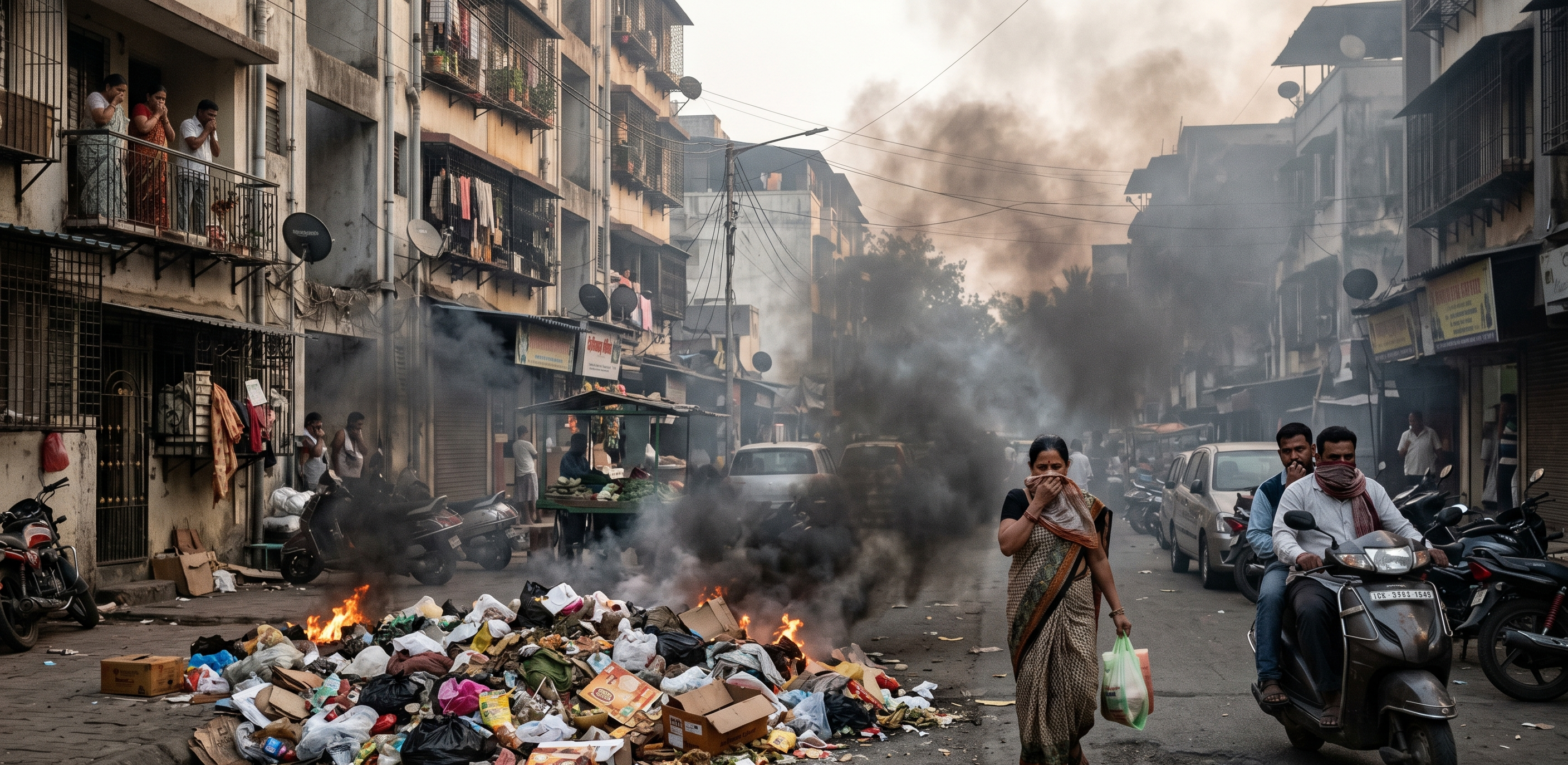
Let me tell you what breathing polluted air actually does to you. In the short term you get headaches, throat irritation, that cough that does not go away, watery eyes. These are the usual symptoms we have all just accepted as normal as just living in the city.. But what about long term? Air pollution health effects include things like asthma, chronic bronchitis, heart disease and yes even cancer.
The medical bills for treating these conditions? They can easily be lakhs of rupees over your lifetime. But starting protection from air pollution costs much less than that amount it is a fraction of what you would spend on treatment.
Because here is what I realized after some time. Prevention of air pollution exposure is not just cheaper than getting treatment for these diseases. It is also way less painful than not being able to breathe properly or having to deal with an inhaler for the rest of your life. Protection from air pollution is something you should think about now not later.
The 8 Layer Protection System: How to Stay Safe from Pollution
Alright so here is where we actually get practical about this. Pretty much every air pollution protection method out there has been tested by now some of them worked and some were complete nonsense and it has been narrowed down to eight layers that actually make a real difference.
Think of it like you are building armor or something. One layer will help you a bit but eight layers? That is when you are actually getting protected properly.
For urban residents dealing with severe pollution daily, you need even more comprehensive strategies. Our guide on living in polluted cities covers 12 science-backed survival tactics tested across Delhi, Mumbai, and Kanpur.
Layer 1: Indoor Air Quality Control at Home
You should start here. Because you are spending 60 to 70% of your time at home and if that air in your home is toxic then nothing else really matters does it.
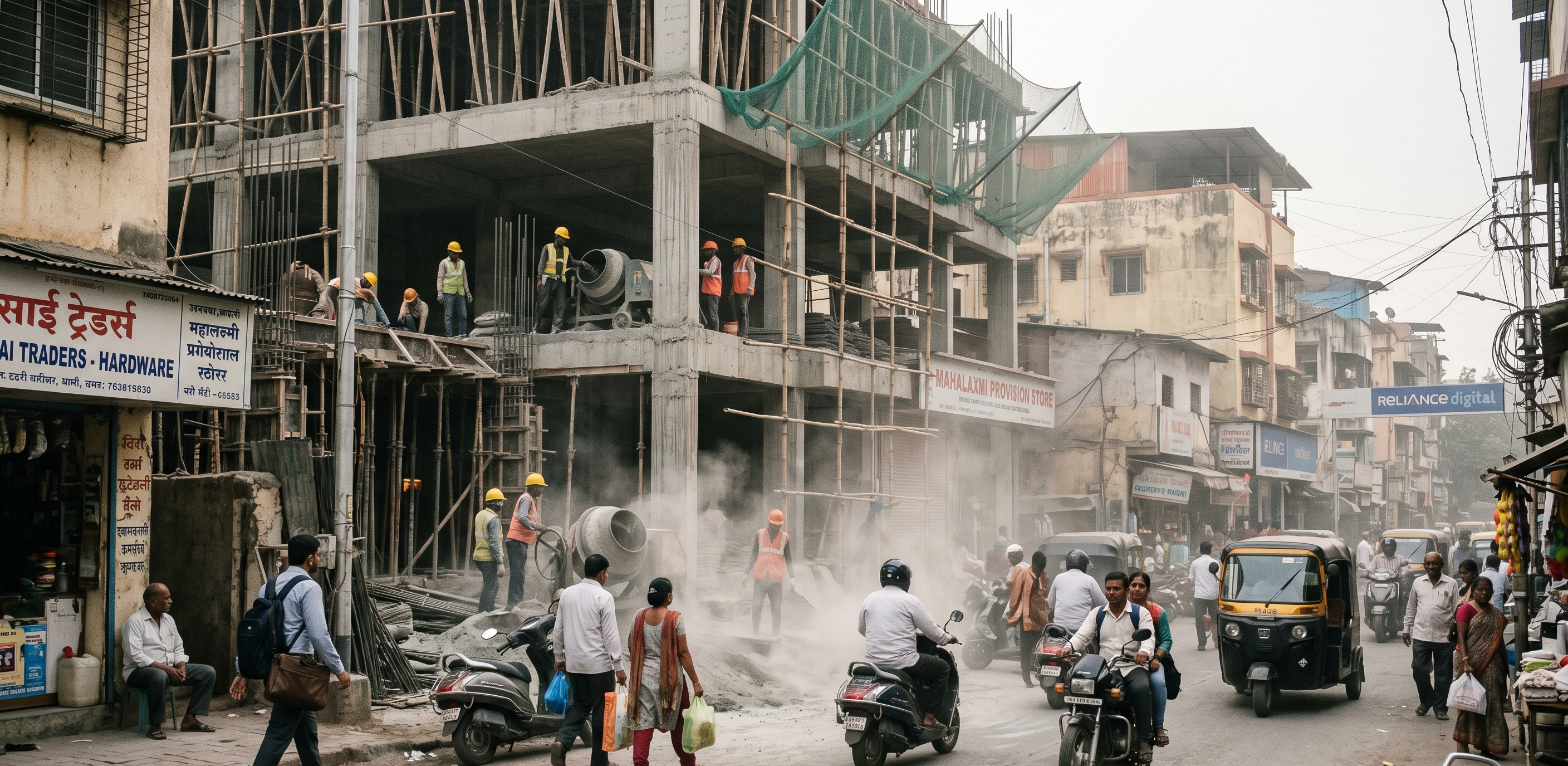
Indoor air quality in Indian homes is often 2 to 3 times worse than the outside air. Why is that? Gas stoves are releasing PM2.5 every single time you make chai, that agarbatti you light every day, dust coming from construction next door and poor ventilation that traps everything inside your home. The debate between indoor vs outdoor air pollution reveals surprising findings about where you're actually most at risk. EPA research shows indoor air can be 2-5x more polluted than outside.

So what should you do about this?
Get an air purifier for your bedroom at the very minimum. One runs 24/7 near the bed and the difference in sleep quality alone made it worth the money. You wake up without that groggy feeling, that stuffed up feeling you usually get.
For your workspace a smaller desk purifier helps you. Recently these compact ones were discovered that do not take up much space but they actually clean the air around you while you are working.
And look everyone says air purifying plants are the solution but let us be realistic about this. You would need around 200 plants to make any measurable difference. They help sure but do not rely on them as your main defense against pollution.
Also you should seal your windows during peak pollution hours which is 7 to 10 AM and 6 to 9 PM. Yeah it feels like you cannot breathe properly and it is claustrophobic but breathing toxic air feels much worse than that.
Your 24/7 Mobile Air Shield
40+ hour battery, filter-free technology, IIT Kanpur tested — protection that goes everywhere you go.
Protect Yourself NowLayer 2: Smart Timing for Outdoor Activities
This changed everything for me.
The assumption was that early morning is the best time for walks because of fresh air right? Wrong. Completely wrong. Air pollution actually peaks during morning rush hour because of all the traffic and also something called temperature inversion where cold air traps pollutants near the ground.
The best time to be outdoors? Late morning around 10 AM to noon or early afternoon. That is when the sun has heated things up enough to make some of the pollutants disperse a bit.
Check your AQI app before you go out. If it is above 150 then maybe you should skip that outdoor jog and hit the treadmill instead. Not as fun sure but your lungs will thank you for it.
Layer 3: Personal Wearable Air Purifiers: Your Mobile Shield
Okay so this is where things get really interesting here.
Because the problem with stationary purifiers is that they are well stationary right. They clean your bedroom air really well but what about your commute? Your walk to the metro? That 15 minute walk to grab groceries from the store?
That is where portable air purifiers become useful. And I will be honest here I was really skeptical about these at first. How is a tiny device going to create clean air around you?
But then the Atovio Pebble was tried after seeing it everywhere at the airport and it actually works? The thing creates this bubble of clean air around 35 cubic feet around you. Not huge but enough for the zone where you are breathing.
What is good about it:
-
Filter free technology so no recurring costs and no maintenance headaches. You buy it once and you are done with it.
-
40+ hour battery means you charge it once a week and wear it all day. Clip it on in the morning and forget it is even there.
-
Works everywhere like metro, office, outdoor walks even while cooking at home because gas stoves are basically pollution factories.
-
Actually tested by IIT Kanpur and they validated it reduces pollution by 90% in 8 minutes. That is not just marketing talk that is actual science behind it.
The best part? It is lightweight only 50 grams so you are not walking around with some heavy thing on your neck. Comes in different colors too so it does not look like you are wearing medical equipment or something.
Is it a bit strange wearing it at first? A little bit yeah. But you know what is more strange? Breathing in PM2.5 particles on purpose that get lodged in your lungs forever.
Layer 4: High Filtration Masks for Extreme AQI Days
When the AQI crosses 300 even I use a mask on top of everything else.
But not just any mask you need an N99 mask that filters 99% of particles out. Regular surgical masks? They are basically useless for pollution. They block droplets sure but not PM2.5 particles.
An Atovio Nova N99 mask stays in the bag as backup. It is washable it has been reused probably 30 times by now and it is breathable and actually seals properly around your face. The adjustable ear loops help a lot because nothing is worse than a mask that is too tight or too loose on your face.
Real talk though masks are really uncomfortable for long periods of time. That is why the wearable purifier gets used for daily use and the mask gets saved for those really bad AQI days when it looks like the apocalypse outside.
Layer 5: Commute Protection Strategies
Your daily commute is probably when you are getting the maximum pollution exposure if you think about it. You are surrounded by vehicles that are spewing exhaust and you are stuck in traffic breathing all of it in.

If you are driving keep your windows up and AC on recirculation mode. That helps a bit but car cabin filters are not enough on their own to protect you.
For metro and auto rides? This is where your wearable purifier becomes really essential. It gets worn during the entire commute now. Total game changer for air quality.
And if you are on a two wheeler honestly you need both a mask and a purifier together. That is not being too careful that is just protecting yourself from direct exhaust fumes hitting your face.
Layer 6: Dietary Defense Against Pollution
Yeah food matters in this too.
Anti oxidant rich foods help your body fight off the stress from air pollution. Not saying it will magically protect your lungs or anything but it helps your body cope better with pollution.
What actually works here:
-
Amla which is a Vitamin C powerhouse
-
Turmeric for anti inflammatory properties
-
Green leafy vegetables
-
Berries
-
Green tea
-
Lots of water like way more water than you think you need
Turmeric milk gets consumed before bed now and honestly? It feels like recovery from bad air days happens faster now.
Layer 7: Home Environment Optimization
Small changes that add up over time:
Wet mop instead of dry sweeping because dry sweeping just throws dust back into the air you breathe. Get a vacuum that has a HEPA filter in it. Use chemical free cleaning products when you can. And this one is really important change out of your outdoor clothes immediately when you get home. Those clothes are covered in pollution particles from outside.
Also a basket near the door for outdoor clothes is kept now. Sounds like too much effort but it stops you from spreading street pollution all over your clean indoor space.
Layer 8: Regular Health Monitoring
Do not skip this part.
Get a lung function test every year especially if you are living in high pollution cities like Delhi or Mumbai. Catch problems early before they become permanent damage.
And if you are having persistent cough or breathlessness or chest tightness? Go see a doctor about it. Do not do what I did and ignore it for six months thinking it will just go away on its own.
Prevention of Air Pollution: What You Can Do
Look I am going to be realistic with you here. Individual actions like carpooling and planting trees are good and yes you should do them if you can. But let us not pretend that your personal choices alone are going to fix India's air pollution crisis because they will not.
Control of air pollution needs systematic change like industrial regulation, alternatives for stubble burning, cleaner fuels, stricter emission standards. That is on policymakers to figure out.
What you CAN control though? Protecting yourself while we wait for those changes to happen. Because holding your breath until the government fixes everything is not really a strategy that works is it.
Special Protection for High Risk Groups
If you are pregnant, elderly, have asthma or have young kids then you need to take this even more seriously than others. Your risk is higher and your consequences are much worse than normal people.
Children breathe faster than adults do so they inhale more pollutants per kilogram of body weight they have. Parents need specialized protection strategies. Our comprehensive guide on protecting children from air pollution. covers school commute protection, indoor safety, and age-specific approaches. Pregnant women when they get exposed to pollution it affects fetal development. Expecting mothers face unique risks as PM2.5 particles can cross the placental barrier. Read our detailed guide on pregnancy and air pollution protection for trimester-specific safety strategies. Elderly individuals have immune systems that are weakened. People with existing respiratory conditions? Each bad air day sets them back in their health. Research confirms that air pollution can actually cause asthma, not just trigger attacks. Medical studies show children in high pollution areas face double the asthma risk.
These groups need maximum protection from air pollution. Not just when it is convenient for them but all the time every day.
Building Your Personal Air Pollution Protection Plan
Here is what gets told to everyone who asks where they should start with this:

Begin with indoor air quality control first. Get a purifier for your bedroom at least, seal windows during peak pollution hours, clean regularly with wet methods not dry ones.
Then add mobile protection to your routine. A wearable purifier like the Atovio Pebble works really great and it goes with you everywhere you go like your commute, work, outdoor activities all of it.
Finally keep a backup mask for extreme days when the AQI is really bad and monitor your AQI levels all the time like you should check it regularly.
The complete Atovio range which has Pebble for mobility, Nova N99 mask for backup it covers all bases you need. Zero recurring costs because everything is filter free technology. That is rare in the air purifier world honestly and that is what sold me on it initially. No replacing expensive filters every three months which saves money.
Is this perfect? No it is not. Will it eliminate all pollution exposure completely? No it will not do that. But it will reduce your exposure by 70 to 80% and that is the difference between having healthy lungs and getting chronic respiratory disease down the line in your life.
Start with one layer today. Then add another layer next week or whenever you can. Build your protection system bit by bit slowly because every breath of cleaner air counts and makes a difference.
Your lungs are with you for life. Might as well take care of them right?
Stop Waiting. Start Protecting.
Zero recurring costs, 90% pollution reduction in 8 minutes — your lungs deserve this.
Get Atovio Pebble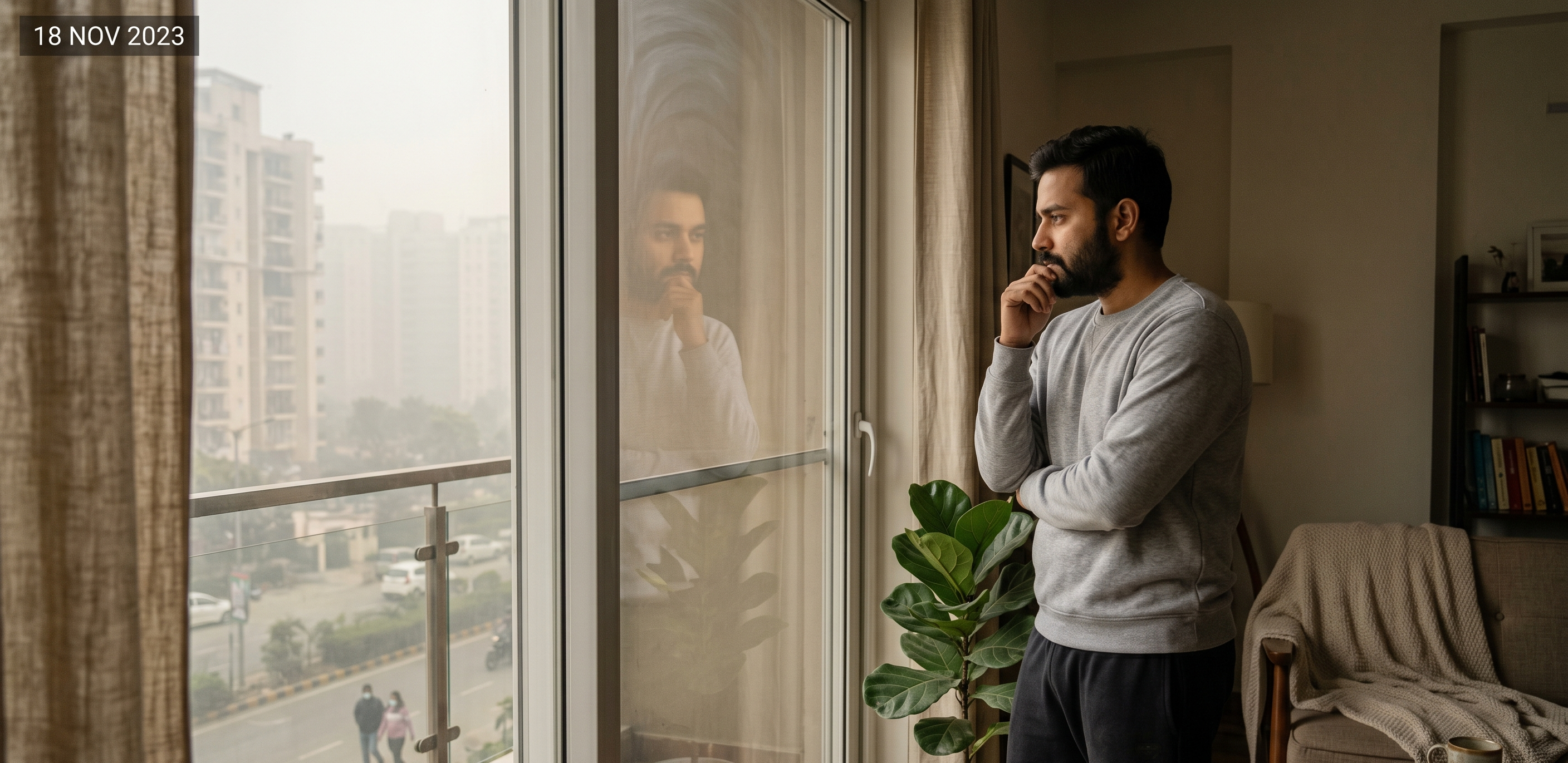
Share:
How Effective Is The Atovio Pebble? IIT Kanpur Test Results Might Shock You!
Urban Air Quality: 12 Science-Backed Ways to Protect Your Health in Polluted Cities