

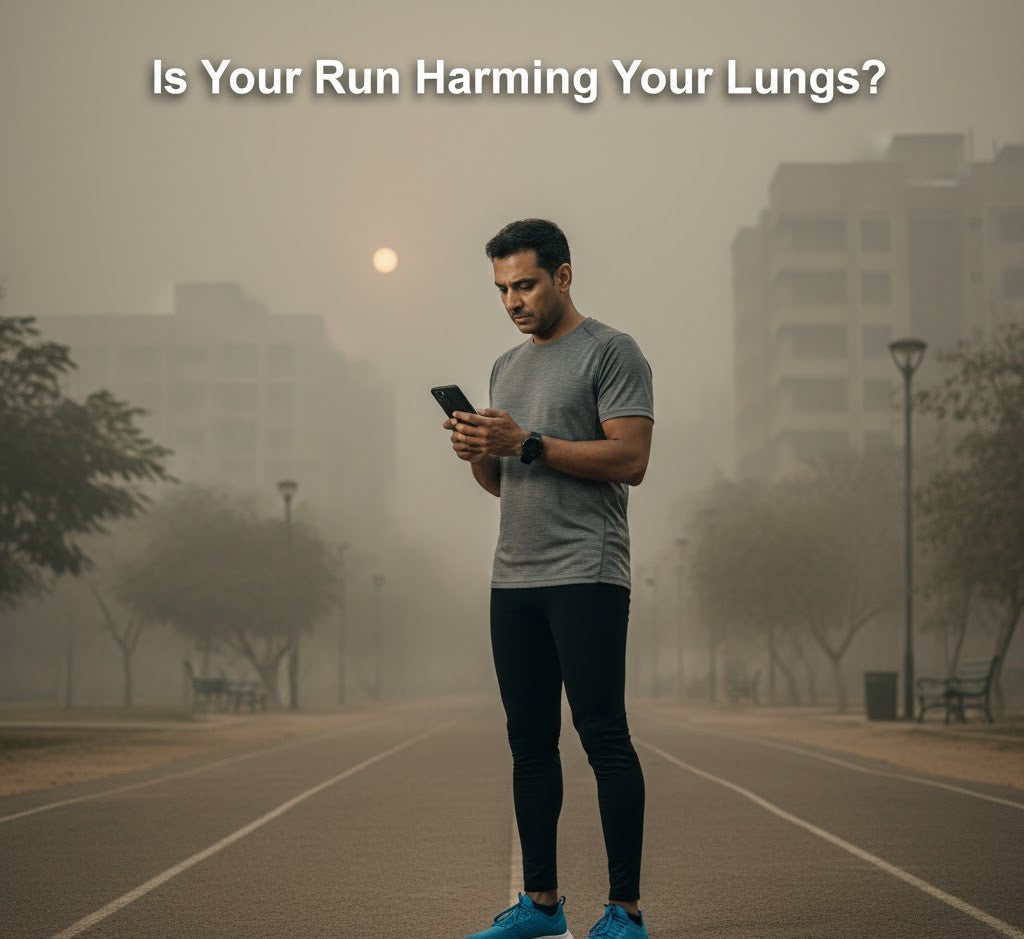
Is your daily run actually doing more harm than good? That question hits when you step outside at 6am and see smog hanging over the city. You want to stay fit, you need that cardio, but running in pollution means breathing 10 to 15 times more polluted air than someone sitting at home. The dilemma is real honestly. Skip workouts and fitness declines. Keep running and risk respiratory damage building up over months.. Most runners ignore this, tell themselves maybe it is not that bad, maybe my body can handle it. But above certain AQI levels your cardio starts causing lung damage exceeding the exercise benefits. Studies in Delhi and Mumbai found runners without protection had 8 to 12% lower VO2 max after one season. Permanent performance loss from the thing supposed to make you healthier. But you do not have to choose between fitness and lung health anymore. Smart timing and protection methods let you maintain training without destroying your lungs. Want to keep running safely? Keep reading.
TL;DR
Running in pollution increases particle intake by 10 to 15 times versus resting. AIIMS research tracked runners across AQI levels showing clear thresholds where lung damage exceeds cardiovascular benefits.
The running exposure crisis:
-
Breathing rate during running: 60 to 80 breaths per minute moving 80 to 100 liters of air
-
Mouth breathing bypasses nasal filtration sending pollutants directly to deep lung tissue
-
Early morning runs 5 to 7am often coincide with worst air quality from temperature inversion
-
AQI above 150 causes measurable lung function decline in regular runners
-
Marathon training in polluted conditions reduces VO2 max by 8 to 12%
-
Competitive performance suffers while health risks increase
This is documented research from sports medicine studies in Delhi, Beijing, London tracking athlete lung function over training seasons. Not theory about possible risks, measured decline in respiratory capacity.
Want to keep running safely? Keep reading.
The Science Behind Running in Polluted Air
Running in pollution creates dramatically higher exposure than any other activity because of extreme breathing rate increase.
Breathing rate multiplier shows resting breathing at 12 to 15 breaths per minute moving 6 liters of air. Light jogging increases to 40 breaths moving 40 liters. Intense running hits 60 to 80 breaths moving 80 to 100 liters per minute. That is 10 to 15 times more air volume than resting.
Particle deposition differences during running mean deeper lung penetration from forceful breathing, larger volume means more total particles inhaled, mouth breathing sends pollutants directly to lower airways, faster flow rate increases particle collision with lung tissue.
Research studies tracking runners include Beijing study showing marathon trainees had 12% lower VO2 max after training season in high pollution versus control group in clean air. London research found runners on high pollution routes had measurable lung inflammation markers after single run. Indian sports medicine study documented respiratory symptoms in 68% of Delhi runners training without protection.
What scientists say is benefits of running remain positive up to AQI 150 for healthy adults. Above that threshold, pollution induced inflammation and lung damage start exceeding cardiovascular gains.
Is Your Daily Jog Actually Damaging Your Lungs?
Jogging in polluted air causes both immediate and cumulative damage most runners do not connect to their training.
Immediate effects on runners include persistent cough after runs especially in mornings, unusual breathlessness beyond normal training fatigue, throat irritation and scratchiness, chest tightness, wheezing sounds during breathing, headaches starting mid run.
Performance degradation shows as inability to maintain usual pace, faster fatigue onset, longer recovery times between runs, plateau in training progress despite consistent effort, reduced race day performance.
Long term health implications include chronic airway inflammation, accelerated lung capacity decline, increased asthma risk even in previously healthy runners, cardiovascular disease from pollution induced arterial inflammation, higher respiratory infection rates.

When running does more harm than good is above AQI 150 for any runner, above AQI 100 for competitive athletes in heavy training, when pollution spikes to 300 plus. But here's what changed the game for regular runners, combining N99 filtration with nasal airflow optimization. Runners using this approach and it may help in maintaining training schedules through winter pollution while showing zero decline in lung function markers. The atovio Nova N99 Mask with BreatheX Nasal Strips became standard gear for athletes who refused to choose between fitness and respiratory health. More on how this works in the protection section below.
How Can Cardio Increase Pollution Intake?
Cardio pollution exposure multiplies particle intake because cardiovascular exercise demands exponentially more oxygen. Your heart pumps faster, blood flow increases, breathing deepens. All of this optimizes oxygen delivery but also optimizes pollutant absorption.
Cardiovascular benefits of running include improved heart function, better circulation, lower blood pressure, increased endurance, mental health improvements. These remain significant benefits.
Respiratory costs in polluted conditions include inflammation from particle inhalation reduced lung elasticity airway narrowing decreased oxygen transfer efficiency systemic inflammation affecting your entire body. That's inflammation affecting your whole body while you're trying to train. The balance point by AQI level shows net positive health outcomes below 100, marginal benefits 100 to 150, neutral to negative 150 to 200, clearly negative above 200 actually. Serious runners who maintain training schedules year-round need protection solutions that don't compromise performance while filtering harmful pollutants. Nasal Strips can be a really good option for them honestly, also N99 masks when situation is really bad.
What Are the Safe Air Quality Levels for Runners?
Runner air quality thresholds based on comprehensive medical research.
AQI 0 to 50 means excellent conditions, train normally without restrictions, these are optimal days for speed work and long runs.
AQI 51 to 100 means good to moderate, healthy runners train normally, consider slightly reduced intensity on days approaching 100, save hardest workouts for better air quality.
AQI 101 to 150 means caution zone. Reduce training intensity by 30%, limit outdoor runs to 60 minutes, avoid intervals and tempo runs, stick to easy pace, use protection gear.
AQI 151 to 200 means unhealthy for all. Light jogging only if necessary, better to do indoor treadmill or skip running, competitive athletes should absolutely avoid training, use protection if you must run.
AQI above 200 means hazardous. No outdoor running period. Even short runs cause measurable lung damage. Indoor alternatives mandatory. Race organizers should cancel events.
Seasonal considerations in Indian cities show winter months November to February have worst air quality. Summer and monsoon offer better running conditions. Plan training cycles accordingly.

Don't Choose Between Fitness and Lung Health
Atovio Nova N99 Mask filters 99.6% of pollutants with 6-layer EAPI technology. Supports high breathing rates during running. Pair with BreatheX Nasal Strips for 38% easier breathing.
Protect Your TrainingWhen and Where Should You Run for Cleaner Air?
Outdoor exercise timing and location dramatically affect pollution exposure.
Optimal running times are 10am to 3pm when atmospheric mixing improves air quality. Sun heating breaks temperature inversion dispersing trapped pollutants.
Avoid these times means 5 to 9am is often worst despite being popular running time. Evening 6 to 9pm combines rush hour traffic with cooling temperatures trapping pollution.
Best running locations include parks have 30 to 40% lower pollution from tree filtration. Lakeside or riverside routes benefit from water body air circulation. Residential areas have less traffic than main roads. Stadium tracks away from roads offer controlled environment.
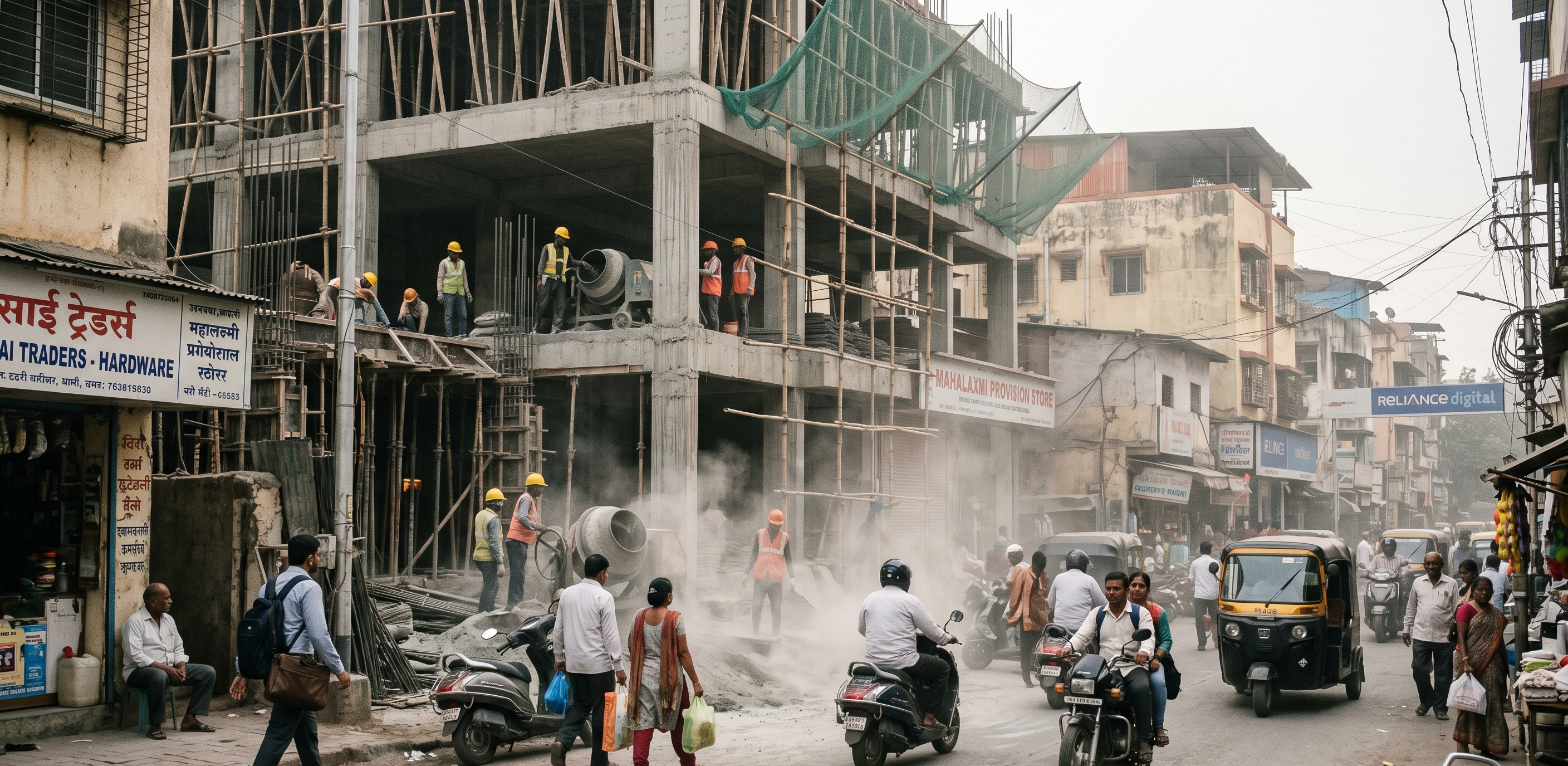
Locations to avoid include running along highways or arterial roads, industrial areas, construction zones, areas downwind of pollution sources.
How Can You Keep Running Safely in Polluted Cities?
Protection overview for runners must balance filtration with breathing performance.
The runner's protection dilemma is masks restrict breathing affecting performance, but running unprotected causes lung damage, so solution must provide protection without restriction.
Why most masks fail is breathing resistance too high for running effort, moisture buildup from heavy breathing, slipping during movement, discomfort for duration needed.
How Can Runners Reduce Pollution Impact During Training?
The runner's protection challenge is balancing necessary filtration with maintaining breathing performance during high-intensity training.
The atovio Nova N99 Mask offers 99.6% filtration with breathable cotton fabric that supports increased breathing rates during running. The secure fit stays in place during motion while managing moisture from intense workouts.
For runners who find masks restrictive during training actually, pairing the N99 mask with atovio BreatheX Nasal Strips reduces breathing effort by opening airways up to 38% while maintaining full filtration protection.. That's 38% more airflow during your runs. This combination works particularly well for tempo runs long training runs and regular runners who train in moderate pollution conditions like AQI 100 to 150. Start with shorter easy runs to adapt, gradually increasing duration and intensity over 1 to 2 weeks.

Should You Stop Running Because of Bad Air?
Absolutely not. Cardio exercise is crucial for health. Smart runner's strategy is check AQI before every run, adjust intensity based on current levels, use N99 mask with nasal strips for running in moderate pollution (AQI 100-150), have indoor alternatives for severe pollution days above 150.
Running with proper filtration beats not running. Cardiovascular fitness requires consistency. The N99 Mask with a Nasal Strip combination lets you maintain training schedule while protecting respiratory health. Adaptation takes 1-2 weeks, but protection lasts for years.
Complete Athlete Protection Strategy
You have optimized your outdoor running protection with an N99 Mask and nasal strips. But consider your recovery environment too, indoor air quality in your home gym bedroom or living space directly impacts training recovery and sleep quality every single night. Athletes who invest in air purifiers for indoor spaces report better sleep faster recovery and fewer respiratory issues. These air purifiers create clean air zones wherever you rest and recover during the day, they can complement their outdoor protection using portable air purifiers, they can be very useful, specially when commuting. For comprehensive athlete air quality solutions, visit atovio.in.
Keep Running With Protection
Look, pollution in Indian cities is not going away anytime soon. But giving up running is not the answer either.
You have built your fitness over months or years. Your cardiovascular health matters. Your mental clarity matters. Becoming sedentary because of pollution creates worse health outcomes than running smartly with proper precautions.
Check AQI before every run. Time your training for cleaner windows between 10am and 3pm. Choose park routes over highways. Use real filtration gear that works for high breathing rates. Have indoor alternatives ready when AQI crosses 200.
Thousands of runners across Delhi, Mumbai, and Bangalore are maintaining their fitness while protecting their lungs. You can too. The choice is not run and destroy your lungs or quit completely. The choice is run intelligently with timing, routes, and protection versus run blindly and accept the damage.
Your 60 year old self will thank you for protecting your respiratory system while staying fit today.
You Deserve Clean Air Everywhere, Not Just While Running
Atovio Pebble creates a 35 cubic feet bubble of clean air around you. Perfect for bedroom sleep, desk work, or relaxing at home. Only 50 grams. Filter-free. 40+ hour battery.
Complete Your Protection

Share:
How Can Cyclists Reduce Air Pollution Exposure While Riding in Polluted Cities
Why Do Two-Wheeler Riders Face the Highest Air Pollution Exposure?
1 comment
38lnwn